
Fridge Regassing Explained: What It Means & When You Need It
By Commercial Fridge Repair 9 min read
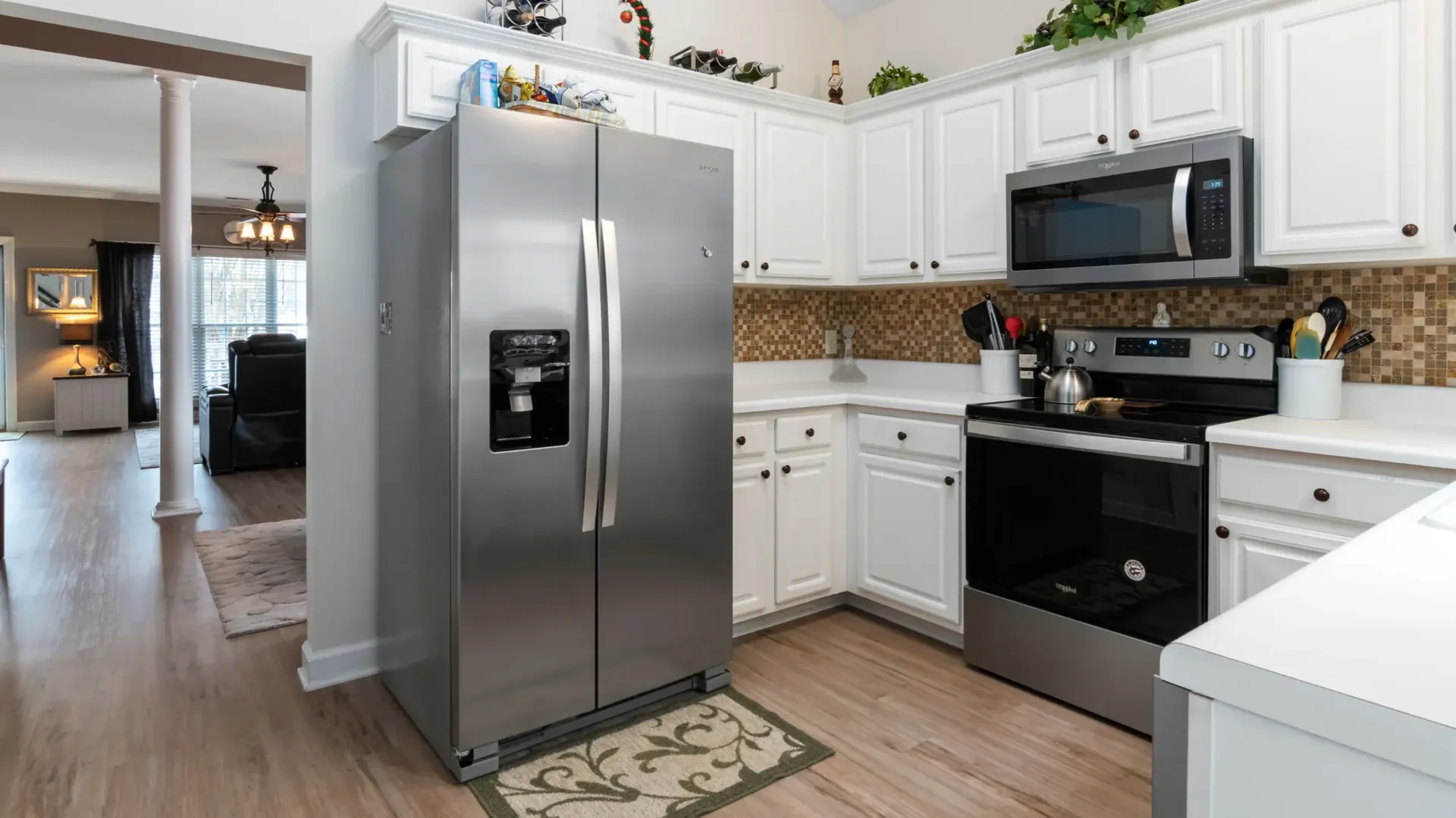
Have you ever opened your fridge and noticed that the milk isn’t as cold as it used to be, or the freezer seems to be struggling to keep a solid freeze? If so, you might be wondering: does it need a repair, or might it need a full-on fridge regassing? In this post we’ll explore what fridge regassing means, when it’s required, how much it might cost in the UK, and how to decide whether it’s worth doing.
Here’s a clear summary first:
A “fridge regassing” is the process of topping up or replacing the refrigerant gas in a sealed refrigeration system so the appliance can carry out heat exchange and cool properly.
What is fridge regassing?
H2: Defining fridge regassing
A fridge, freezer or fridge-freezer relies on a closed loop of refrigerant gas which absorbs heat from inside the cabinet and dispels it outside. If this refrigerant leaks or the system becomes contaminated, cooling efficiency drops. Fridge regassing refers to draining any remaining gas (or sometimes recovering it), vacuuming the system, and introducing the correct amount of fresh refrigerant, then testing it.
H3: Why the refrigerant matters
Without sufficient refrigerant or if the wrong type is present, the compressor must work harder, temperatures stay higher, and your energy bills may go up. Some technical guides emphasise that simply adding gas without addressing the leak or contamination often fails to restore proper function.
For sealed systems, especially in domestic units, leaks are extremely rare unless there’s physical damage or manufacturing fault.
That means: if your fridge is losing cooling power, the problem may be elsewhere rather than a simple need for “more gas”.
Signs your fridge might need regassing
H2: Common symptoms to watch for
Here are some red flags that could suggest refrigeration gas issues (or other faults) – use them to ask intelligent questions of the engineer.
- Food or drinks aren’t cooling to appropriate temperatures even though the thermostat is set correctly. In one guide: “If your fridge isn’t getting cold and compressor runs constantly, it may be low on refrigerant.”
- The compressor seems to be on non-stop, or at least more than usual.
- Some areas of the fridge are cold, others aren’t (uneven cooling).
- There’s unexpected frost build-up, or warm patches around coils.
- The appliance’s electricity consumption has noticeably grown. One refrigeration firm lists “higher than usual energy bills” as a sign of underlying cooling system struggle.
- You detect chemical smells, oily residue or evidence of a leak. Refrigerant leaks may leave oil-stains or visible marks.
H3: But be cautious – it may not always be about gas
An important caveat: many experts believe that most domestic fridges will never need regassing because the system is sealed and built to last. One article argues that domestic refrigerators have minimal gas volume and any internal leak tends to show up rapidly rather than over years.
In practice a faulty thermostat, blocked coils, dust build-up, fan failure or door seal problem are far more common than a genuine low-gas issue.
“No point if you can’t fix the leak, buy a new fridge.” – forum user on whether regassing is worthwhile.
So use the signs above as warning signals, but expect that an engineer will need to diagnose the sealed-system first.
The regassing process – what to expect
How is fridge regassing done?
Here’s a straightforward breakdown of the typical steps a qualified refrigeration engineer follows:
- Leak detection
Before adding new gas, the sealed system is checked for leaks. If a leak is found, it must be repaired. - Recover old gas (if still present)
Legally and environmentally, refrigerant cannot simply be released to atmosphere. The old gas is recovered. - Vacuuming / dehydration
The system is vacuum-pulled to remove air, moisture and contaminants. Moisture inside the system is a common cause of future failure. - Re-charging with correct refrigerant
The correct type and volume of refrigerant (which differs between domestic vs commercial, model, type) is added. - Testing & monitoring
The system is monitored to ensure cooling performance is restored, pressures are correct, no abnormal compressor stress etc.
Domestic vs commercial differences
- Domestic fridges: small refrigerant charges, simpler systems, but many systems are so well sealed that regassing is rarely the correct fix.
- Commercial/industrial refrigeration: larger systems, higher refrigerant volume, more likely to have leaks or require service. For these, regassing is a more common maintenance task.
- Typical refrigerants: For older domestic units R134a, R12 (banned for new systems) or R600a might have been used. In commercial units you might see R404A etc.
How much does fridge regassing cost in the UK?
Typical cost ranges
The cost of fridge regassing will vary depending on the appliance type, location, complexity, model and whether a leak repair is required. In the UK:
- For domestic fridges: roughly £60 to £120 is quoted by one London-based specialist.
- For commercial refrigeration units: much higher – £150 to £400 or more, depending on refrigerant type and size.
Variables that affect cost
- Age / model of fridge (older units may have harder access, obsolete refrigerant).
- Whether system access is simple (freestanding vs built-in).
- Whether a leak is found and needs repair (this can add significant cost).
- Location (London and high-cost regions may charge more).
- Whether the refrigerant is a restricted or special type (which can cost more).
- Labour and call-out fees: e.g., fridge repair call-out fees in the UK commonly range £60-£150 or more.
When it might be more economical to replace the fridge
Given the above, a few rules of thumb:
- If the repair cost is more than half the price you originally paid for the fridge, it may be wiser to invest in a new one.
- If the fridge is older than 8-10 years, efficiency is likely low and future faults more probable. Replacement may make sense.
- If you can’t fix the leak, regassing alone may only provide a short-term fix. Many forum users note that adding gas without leak repair is “just delaying the inevitable”.
When is fridge regassing the right move?
Asking good questions before you proceed
To determine whether to go ahead with fridge regassing, here are some helpful criteria and questions:
- Has the engineer confirmed a leak and provided evidence of it?
- Is the fridge still relatively new, high specification, and worth the investment?
- Are you confident the refrigerant is still legal & available for that model? (Older refrigerators may use banned refrigerants.)
- Is your fridge built-in or freestanding? Built-in access may be difficult and costlier.
- Are there signs of compressor damage already? If the compressor has run for long without correct refrigerant, it may be less efficient or near failure.
- Is the leak location identified and repair feasible? If the leak is inside a sealed wall of the unit or the evaporator is integral, repair may be expensive.
When regassing makes sense
- You have a premium fridge/freezer unit (e.g., American style) that is expensive to replace.
- The fault diagnosis shows a minor leak in replaceable pipework and the rest of the system is sound.
- The refrigerant required is still available and cost-effective.
- The alternative (replacement) is not appealing for cost or environmental reasons and the rest of the system is in good shape.
When to choose replacement instead
- Older fridge over 10 years with multiple faults.
- Refrigerant is obsolete or banned and replacement parts are scarce.
- Leakage is extensive, compressor is already damaged, or unit is built-in and difficult to service.
- The repair cost plus future expected costs outweigh the cost of a new, more efficient model.
FAQs about fridge regassing
Can I do fridge regassing myself?
No, for safety, legal and technical reasons you should not attempt to regas a fridge yourself. Refrigerant handling in the UK requires qualified engineers and F-gas certification. One help guide states this clearly.
If my fridge is not cooling, does it always mean it’s low on gas?
No. Many cooling faults stem from thermostat failure, door seal leaks, blocked condenser coils or fan issues. As noted earlier, domestic sealed systems rarely lose refrigerant unless damaged.
How often should I have a fridge regassed?
For domestic fridges it’s rarely a regular maintenance requirement—only if there’s evidence of a gas issue. One guide says most domestic systems should not need regassing unless a leak occurs. For commercial units, scheduled check-ups every 12-24 months may identify issues early.
What happens if I leave a fridge that needs regassing?
The compressor will run harder and longer, energy bills will increase, cooling will deteriorate and food spoilage risk rises. Also the component wear increases, potentially leading to more expensive breakdowns.
Is regassing good for the environment?
Only if the system is sealed and leak-free. Leaking refrigerant is harmful, and correct recovery of old gas and certified handling is essential. Also, some older refrigerants are banned or being phased out.
Domestic fridge vs commercial cold-room
Comparison scenario
Domestic fridge example:
- Freestanding side-by-side model, 7 years old, shows signs of weak cooling and high energy bill. Technician finds blocked condenser coils, fan slightly faulty, but no identifiable leak. In this case, regassing would be low priority; cleaning coils, replacing fan and checking seals likely offer better ROI.
Commercial refrigeration (e.g., for shop / café):
- Cold-room or large display fridge, uses R404A refrigerant, shows slower cooling, some oil residue near piping, compressor running almost continuously. Here the sealed system is large, leak detection is accepted, and regassing (with system repair) might be both necessary and cost-effective.
By comparing these two, you can see that while “regassing” is relevant in both, the decision-making process differs considerably.
Summary & expert takeaway
- Fridge regassing means recharging the refrigerant in the sealed cooling system.
- While it’s a real service, many domestic units rarely need it because their systems are well sealed.
- Make sure you have clear diagnosis of a leak, and that other simpler faults are ruled out first.
- Cost in the UK for domestic fridges is roughly £60-£120 if only the regas is needed and access is straightforward. For commercial units costs are much higher.
- If your fridge is old, repair costs are high, or the fault is deep-seated (compressor damage, inaccessible leak), replacing the appliance may be the wiser path.
- Always use a qualified engineer, especially given refrigerant regulation and safety.
If your fridge isn’t cooling properly and you’re wondering whether regassing is the answer: take a moment to check the symptoms, ask for a detailed diagnosis (leak detection, compressor health, refrigerant availability) and request a written estimate that shows whether a simple regas will suffice, or whether a broader repair or replacement is the better move. A clear decision now could save money, avoid spoilage and ensure the fridge keeps doing what it’s meant to do: keep your food cold and safe.