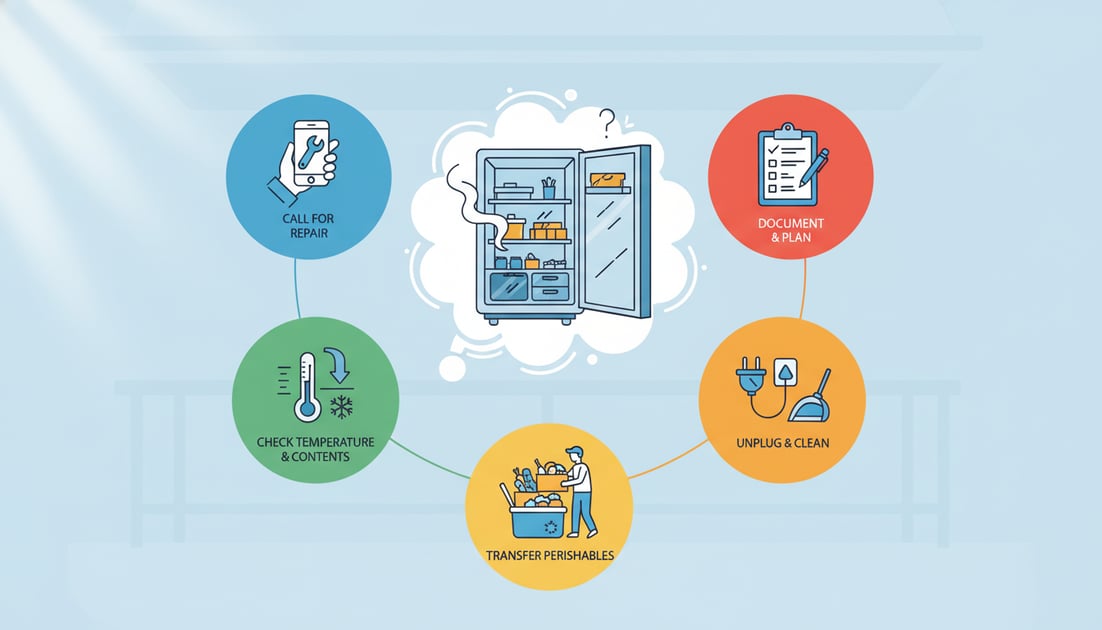
Refrigerant shortage impact on commercial fridge repairs: 5 critical steps to protect your business in 2026
By Commercial Fridge Repair 10 min read
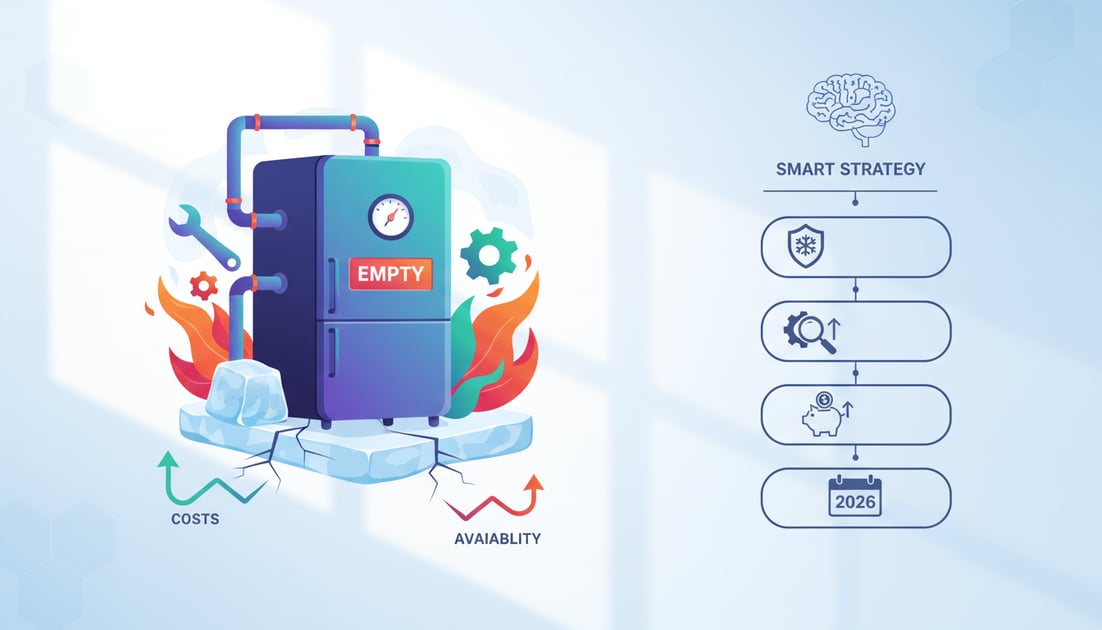
The 2026 Refrigerant Crisis: Why Your Commercial Fridge May Soon Be Impossible to Repair
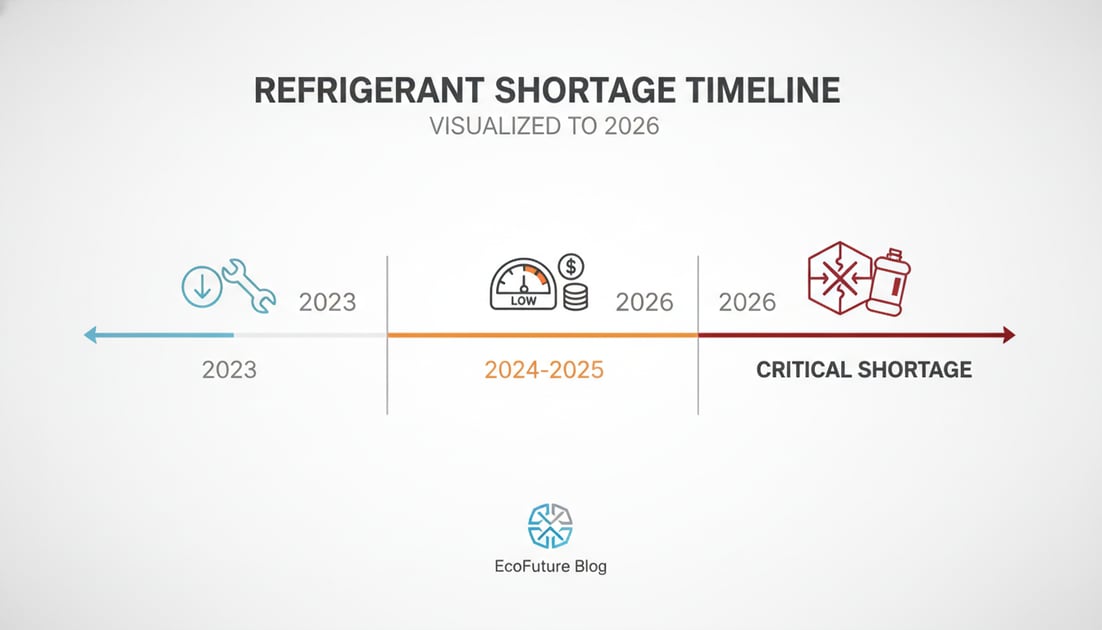
If you operate commercial refrigeration equipment in the UK, 2026 presents an unprecedented challenge. F-gas regulations are driving a dramatic phase-down of high-GWP (Global Warming Potential) refrigerants, creating severe supply constraints that will fundamentally change how commercial fridge repairs are conducted across the country.
Traditional refrigerants like R404A and R134a are becoming increasingly scarce as EU-aligned regulations restrict their availability. This isn't simply about higher costs – many businesses will face situations where refrigerant supplies are completely unavailable for emergency repairs. When your commercial refrigeration equipment fails, securing replacement refrigerant may prove impossible, leaving you with extended downtime and potential stock losses.
The implications extend beyond emergency situations. Routine maintenance requiring refrigerant top-ups will become complex, and specialist repair services must adapt their diagnostic approaches to work within these new constraints. For businesses relying on commercial fridge freezer repairs near me searches during equipment failures, understanding these regulatory changes is essential to protecting operations and minimising disruption.
This article outlines five critical steps to safeguard your business against the 2026 refrigerant shortage.
Which Refrigerants Are Being Phased Out in the UK?
UK F-Gas regulations mandate a progressive phase-down of high-GWP (Global Warming Potential) hydrofluorocarbons (HFCs), fundamentally reshaping commercial refrigeration servicing requirements. Understanding which refrigerants face restrictions helps businesses plan equipment upgrades and avoid compliance complications.
R404A and R507 represent the most severely restricted refrigerants. Since 2020, servicing bans have prohibited using virgin refrigerant to top up existing systems. Whilst reclaimed refrigerant remains technically permissible, practical availability diminishes yearly as quota allocations tighten. By 2030, these refrigerants will be effectively unavailable for commercial fridge repairs.
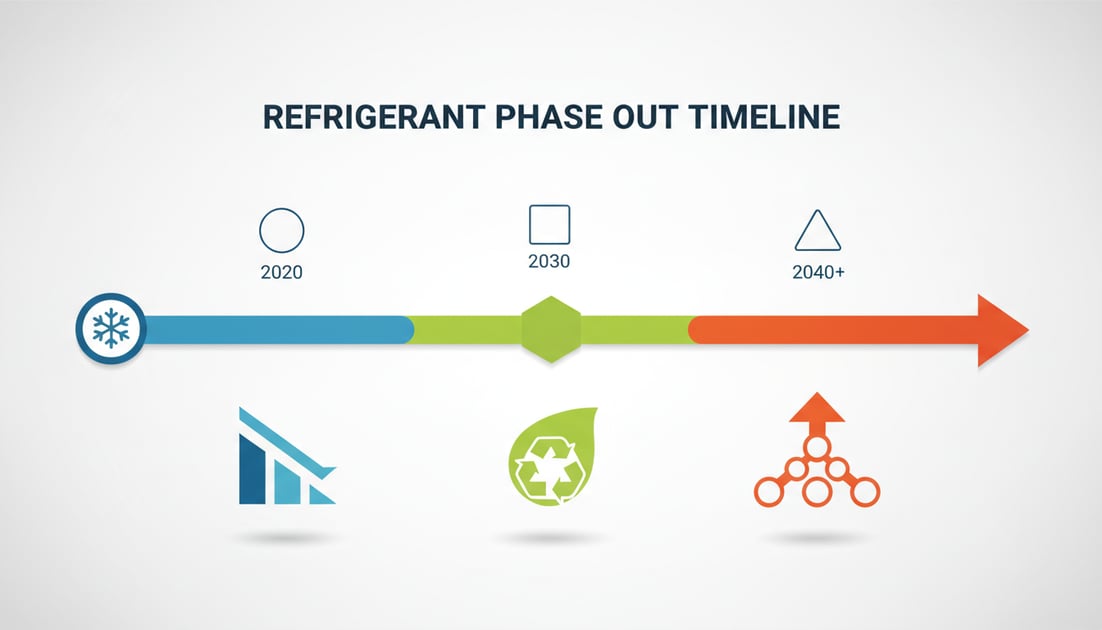
R134a faces graduated restrictions rather than outright bans. Although still available, quota reductions drive significant price increases and supply uncertainty. Equipment using R134a requires careful monitoring, particularly as 2027 brings proposed tightening of HFC phase-down schedules under the UK's carbon budget framework.
The UK government’s F-Gas guidance establishes quota systems limiting total refrigerant quantities entering the market annually. These quotas decrease progressively, creating the supply constraints affecting repair services nationwide. Businesses operating older equipment designed for phased-out refrigerants face difficult decisions between costly retrofits and complete replacement.
Lower-GWP alternatives including R448A, R449A, and natural refrigerants (CO2, hydrocarbons) offer compliance pathways, though retrofitting existing systems requires qualified engineers and careful compatibility evaluation. Equipment manufactured after specific dates must use compliant refrigerants from installation, accelerating the transition away from legacy solutions.
Planning ahead prevents service interruptions when refrigerant unavailability coincides with equipment failures requiring urgent attention.
Is There a Shortage of Freon? Understanding the 2026 Supply Crisis
Yes, the UK faces a significant refrigerant shortage intensifying through 2026. Supply constraints stem from aggressive quota reductions under F-gas regulations, compounded by the EU's new €3 per tonne CO₂ equivalent quota tax affecting businesses across Europe.
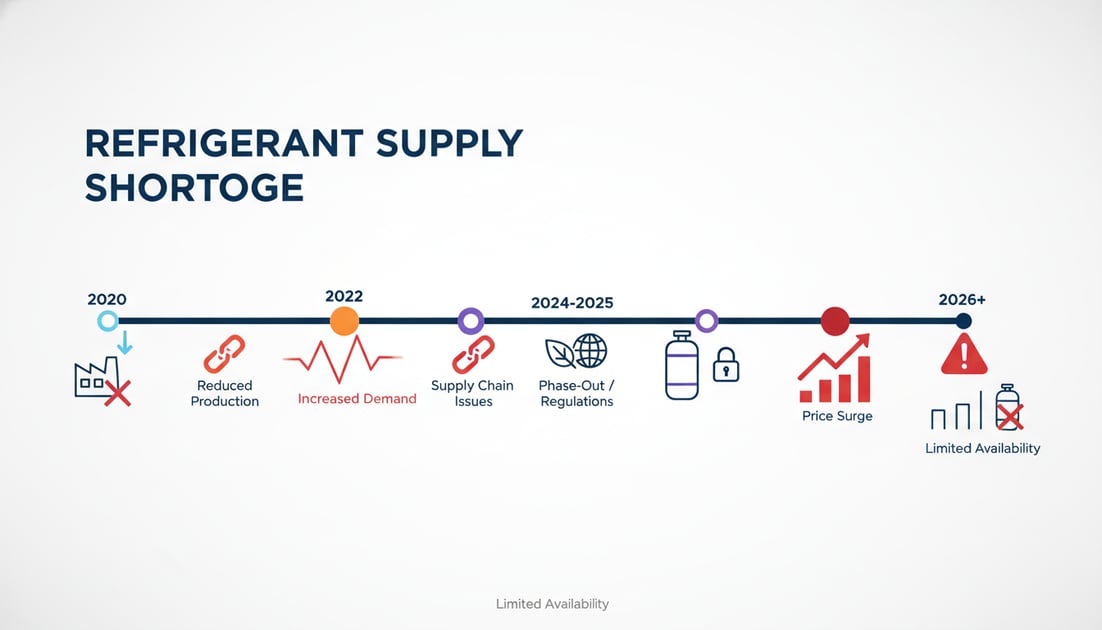
Market data reveals HFC refrigerant prices have already surged by up to 400% since 2024, with further increases expected as quotas tighten. This isn't merely inflationary pressure – actual physical availability diminishes yearly as allocated volumes decrease. Businesses searching for commercial fridge repairs Manchester or nationwide increasingly encounter situations where refrigerant simply cannot be sourced, regardless of budget.
The quota system operates by limiting total refrigerant quantities entering the market annually. Each reduction cycle creates tighter supply conditions, forcing distributors to prioritise allocations and leaving smaller operators struggling to secure materials for routine maintenance. Reclaimed refrigerant offers temporary relief, but collection volumes cannot meet demand as more systems require servicing.
For commercial operations relying on legacy equipment, this creates operational risk beyond cost considerations. When refrigerant unavailability coincides with equipment failure, downtime extends dramatically. Emergency repairs become impossible without refrigerant access, potentially resulting in stock losses and business interruption.
The European Environment Agency’s phase-down analysis confirms these supply challenges will persist through 2030 and beyond. Businesses must proactively address refrigerant dependency rather than waiting for crisis situations to force reactive decisions.
5 Critical Steps to Protect Your Business from Refrigerant Shortages
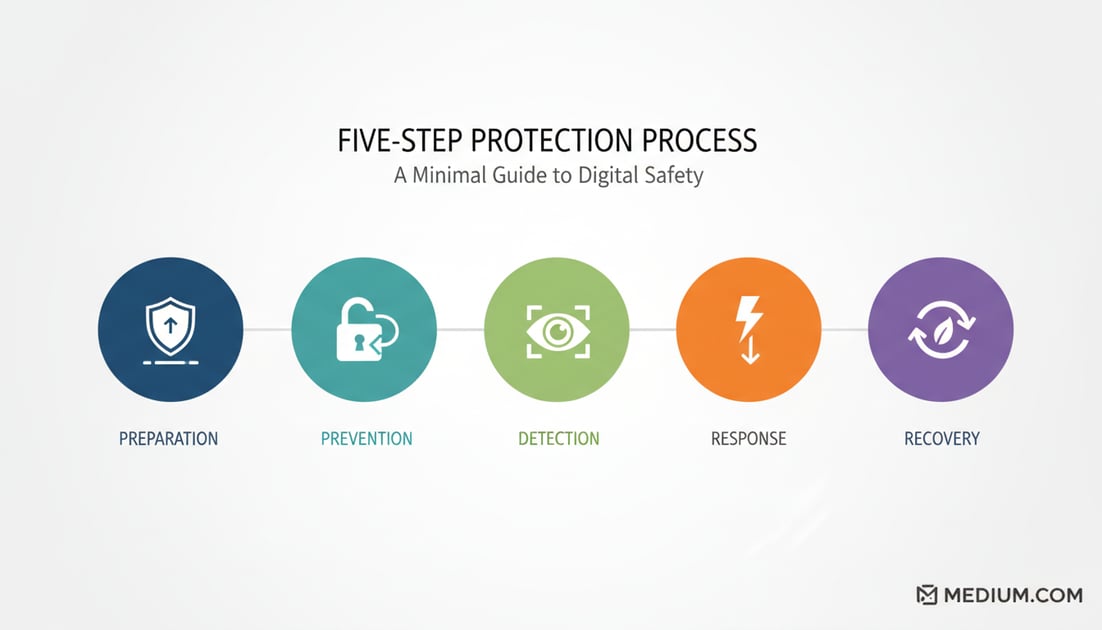
Protecting your business from refrigerant supply constraints requires proactive planning rather than reactive responses during equipment failures. These five steps establish resilience against the 2026 crisis.
1. Audit Your Current Refrigeration Systems
Document every commercial refrigeration unit across your operation, recording refrigerant types, system ages, and capacity requirements. Identify which equipment relies on R404A, R507, or other restricted refrigerants facing immediate phase-out. This assessment reveals vulnerability exposure and prioritises intervention requirements. Systems approaching 10-15 years typically warrant replacement consideration over continued servicing.
2. Schedule Preventive Maintenance Programmes
Regular inspections reduce refrigerant loss through leak detection and component optimisation. Planned Preventative Maintenance (PPM) schedules should include quarterly leak testing, annual efficiency calibration, and comprehensive system evaluations. Well-maintained equipment consumes less refrigerant and delivers extended operational lifespans, reducing exposure to supply constraints during emergency situations.
3. Plan Strategic Equipment Upgrades
Develop a phased replacement roadmap prioritising units using discontinued refrigerants. Modern equipment designed for low-GWP alternatives (R448A, R449A, or natural refrigerants) eliminates dependency on restricted substances whilst delivering superior energy performance. Budget allocation across 18-24 months prevents financial strain whilst systematically addressing compliance requirements. Energy-efficient replacements typically achieve 15-25% operational cost reductions, offsetting capital expenditure through reduced consumption.
4. Secure Refrigerant Supply Agreements
Establish relationships with refrigerant suppliers offering guaranteed allocation agreements for reclaimed materials. Whilst virgin refrigerant becomes scarce, reclaimed alternatives provide interim solutions during transition periods. Contractual commitments ensure priority access when spot market availability diminishes, though long-term reliance remains unsustainable as quota reductions continue.
5. Develop Business Continuity Plans
Prepare contingency protocols addressing extended equipment failures when refrigerant unavailability prevents immediate repairs. Consider backup refrigeration capacity, alternative storage arrangements, or supplier agreements accommodating temporary disruptions. That Commercial Fridge Repair provides 24/7 emergency response and retrofit support, helping businesses navigate refrigerant shortage scenarios whilst maintaining operational continuity.
These measures transform regulatory challenges into manageable transitions, protecting your business from disruption whilst ensuring compliance throughout the phase-down period.
What Are the Main Considerations When Selecting a Refrigerant?
Choosing appropriate refrigerants for commercial refrigeration equipment requires evaluating multiple technical, regulatory, and financial factors. Strategic selection prevents costly retrofits whilst ensuring long-term operational viability.
GWP ratings determine environmental compliance under F-gas regulations. R404A carries a GWP of 3,922, whilst R134a measures 1,430. Natural refrigerants like CO₂ (GWP: 1) and hydrocarbons (GWP: 3) offer dramatically lower climate impact, aligning with increasingly stringent quota restrictions. Selecting low-GWP alternatives now avoids future servicing constraints as high-GWP options become unavailable.
Energy efficiency directly affects operational expenditure. Modern low-GWP refrigerants often deliver superior thermodynamic performance compared to legacy HFCs, reducing electricity consumption by 15-25% in optimised systems. This efficiency improvement offsets higher initial capital costs through reduced running expenses over equipment lifespans.
Equipment compatibility presents significant retrofit challenges. Existing systems designed for R404A may require compressor modifications, lubricant changes, and safety upgrades when transitioning to flammable alternatives like hydrocarbons. Charge size limits and certification requirements under BS EN 378-1:2016+A1:2020 standards add complexity. New installations accommodate low-GWP refrigerants more cost-effectively than retrofitting older platforms.
Long-term availability ensures sustainable servicing. Quota reductions make R404A and R507 increasingly scarce, whilst natural refrigerant supplies remain stable. Selecting refrigerants with guaranteed market presence prevents situations where replacement materials become impossible to source during emergency repairs.
Regulatory compliance extends beyond current requirements. UK government reforms signal accelerated HFC phase-down schedules, making future-proofed refrigerant selection essential for avoiding premature equipment obsolescence.
Cost analysis must encompass total ownership rather than purchase price alone. Whilst natural refrigerants carry higher upfront investment, stable pricing and superior efficiency deliver better long-term value compared to diminishing HFC supplies facing volatile market conditions.
What Safety Precautions Should Be Taken When Handling Refrigerants?
Refrigerant handling demands strict safety protocols due to asphyxiation risks, chemical exposure hazards, and regulatory compliance obligations. Only F-Gas certified technicians should perform commercial refrigeration servicing – attempting DIY repairs creates serious safety and legal consequences.
F-Gas Certification Requirements mandate that all personnel handling refrigerants hold appropriate qualifications under UK regulations. Category I certification covers leak checking, whilst Categories II, III, and IV address different equipment types and refrigerant classes. These certifications ensure technicians understand pressure system risks, proper recovery procedures, and contamination prevention protocols. Operating without certification violates legal requirements and invalidates insurance coverage during incidents.
Proper Handling Procedures include using calibrated recovery equipment, wearing appropriate PPE (protective gloves, eye protection), and working in ventilated spaces. Refrigerants displace oxygen in confined areas, creating asphyxiation hazards even when non-toxic. Direct skin contact causes severe frostbite, whilst rapid releases generate dangerous pressure differentials. Certified technicians follow established protocols minimising exposure risks during recovery, charging, and system evacuation operations.
Leak Detection Importance extends beyond environmental compliance – undetected leaks create workplace safety hazards and accelerate refrigerant loss. Regular testing using electronic detectors or bubble solutions identifies issues before refrigerant concentrations reach dangerous levels. Refrigeration maintenance services incorporate systematic leak testing as standard practice.
Attempting repairs without certification exposes businesses to prosecution, equipment damage, and potential injury. Professional technicians carry liability insurance, use calibrated equipment, and follow industry safety standards protecting both personnel and assets during servicing operations.
How Refrigerant Shortages Impact Different Commercial Refrigeration Systems
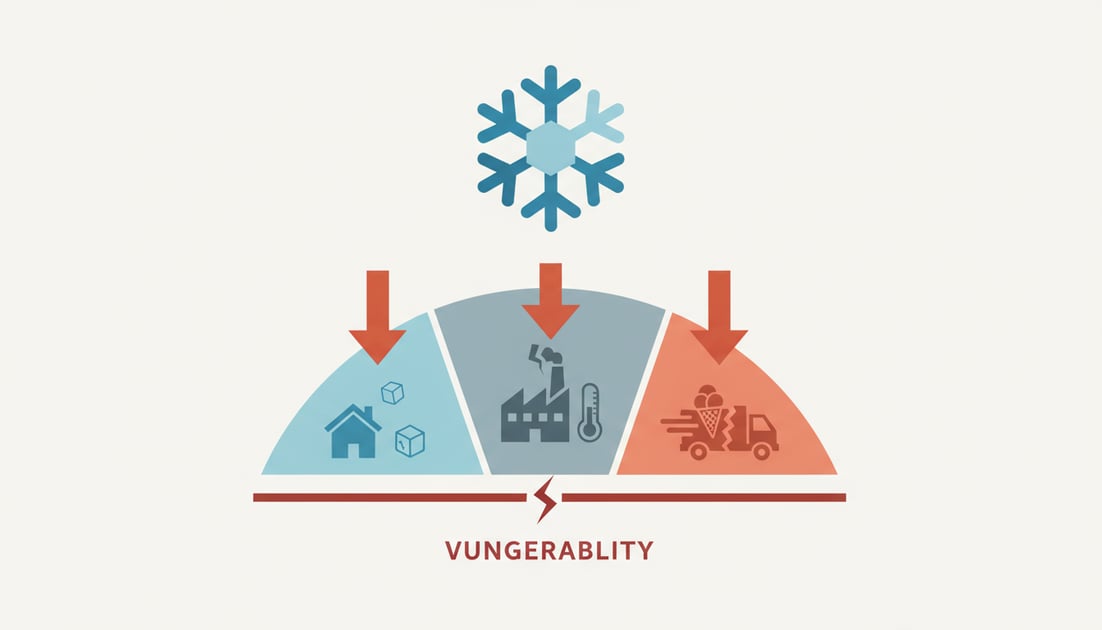
Different commercial sectors face distinct vulnerabilities as refrigerant availability diminishes. Understanding sector-specific exposure helps businesses prioritise mitigation strategies effectively.
Restaurants and hospitality operations typically run multiple smaller refrigeration units – walk-in coolers, prep fridges, and display cases – often using R404A or R134a. Equipment diversity creates servicing complexity when refrigerant shortages strike. A single unit failure requiring unavailable refrigerant can compromise food safety compliance, forcing emergency stock disposal. Temperature monitoring platforms provide early warning capabilities, but older equipment designed for phased-out refrigerants remains fundamentally vulnerable.
Supermarkets and food retail operate extensive centralised refrigeration systems serving multiple display cases simultaneously. These installations contain substantial refrigerant charges, making top-ups during leak repairs particularly challenging under quota restrictions. Transitioning large-scale systems to low-GWP alternatives involves significant capital investment and operational disruption. Distributed systems using natural refrigerants offer resilience, though retrofitting existing infrastructure requires careful financial planning.
Healthcare and pharmaceutical facilities face critical compliance obligations under MHRA Good Distribution Practice requirements. Temperature-controlled medicine storage demands validated refrigeration with documented performance records. Refrigerant unavailability threatening system reliability creates regulatory exposure beyond operational concerns. These facilities require guaranteed servicing access and backup capacity, making proactive equipment upgrades essential rather than discretionary.
Cold storage warehouses managing large-scale frozen goods typically operate industrial-scale systems with higher refrigerant volumes. CO₂ transcritical systems deliver superior energy efficiency whilst eliminating HFC dependency entirely, though conversion requires substantial investment. Facilities still running conventional HFC platforms face severe operational risk as refrigerant supplies contract.
Sector-specific refrigeration service information helps businesses develop targeted protection strategies aligned with operational requirements.
Retrofit vs Replace: Making the Right Decision for Your Commercial Fridge
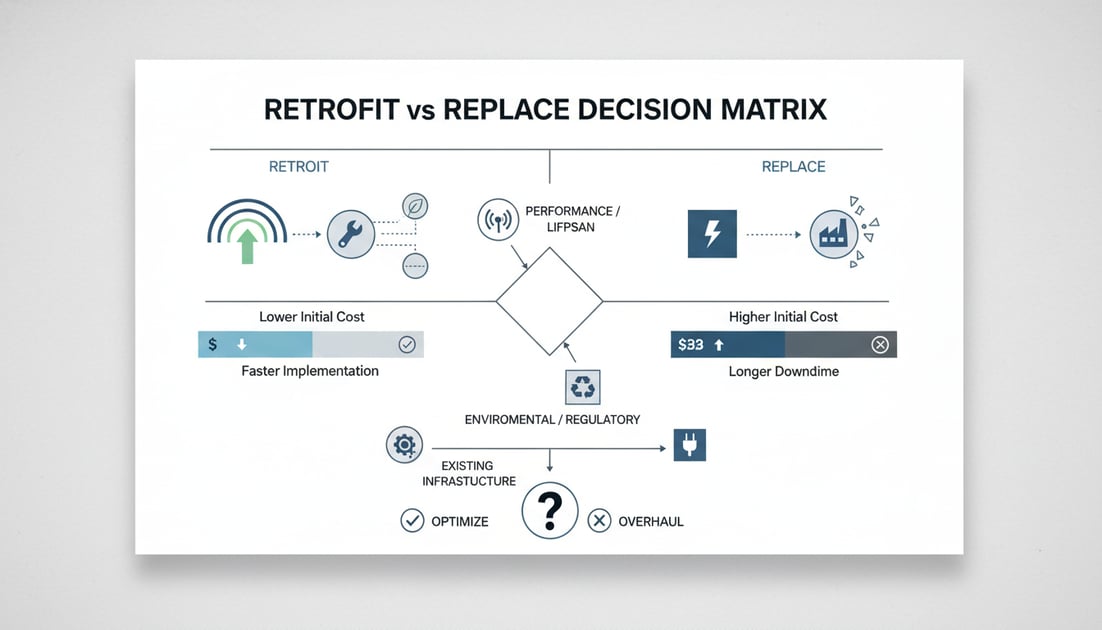
Determining whether to retrofit existing refrigeration equipment or invest in complete replacement involves analysing upfront expenditure against long-term operational value. Neither option delivers universal superiority – the optimal pathway depends on equipment age, condition, and refrigerant compatibility.
Retrofit economics favour newer systems (under 8 years) with robust structural integrity. Converting compatible equipment to low-GWP refrigerants typically costs £2,000-£5,000 per unit, depending on system complexity and required modifications. Energy consumption often improves by 10-15% post-retrofit, generating modest operational savings. However, retrofitted equipment still carries its original lifespan limitations – investing significantly in units approaching end-of-life rarely justifies the expenditure.
Replacement advantages become compelling for older platforms (10+ years) or systems requiring extensive modifications. Modern equipment delivers 20-30% energy efficiency improvements whilst eliminating future refrigerant availability concerns entirely. Capital costs range £4,000-£15,000 depending on capacity, but extended warranties (typically 3-5 years) and predictable servicing requirements reduce total ownership expenses. ROI calculations typically favour replacement when existing equipment needs major component repairs alongside refrigerant conversion.
Break-even analysis should incorporate refrigerant price volatility, anticipated equipment lifespan remaining, and regulatory trajectory. Systems requiring flammable refrigerants introduce safety compliance costs potentially exceeding basic conversion expenses. That Commercial Fridge Repair provides detailed assessments comparing both pathways, ensuring decisions align with operational requirements rather than assumptions about initial cost alone.
Don't Wait Until It's Too Late: Prepare Your Business Today
Refrigerant shortages will intensify throughout 2026, creating unprecedented challenges for businesses relying on commercial refrigeration equipment. Delaying action increases vulnerability to extended service interruptions when refrigerant becomes physically unavailable, regardless of budget considerations.
Begin with a comprehensive system audit identifying equipment using phased-out refrigerants. Establish preventive maintenance schedules detecting leaks before refrigerant loss accelerates. Develop a strategic replacement roadmap prioritising units approaching end-of-life whilst securing reclaimed refrigerant supply agreements for interim protection.
The cost of inaction far exceeds proactive investment. Emergency repairs during refrigerant unavailability can result in stock losses, compliance violations, and prolonged downtime affecting revenue streams.
That Commercial Fridge Repair conducts detailed system assessments during service calls, evaluating refrigerant dependency and recommending tailored solutions protecting business continuity. Contact our expert technicians today for a comprehensive evaluation before supply constraints worsen further.