Healthcare refrigeration maintenance: 7 critical steps to protect vaccine safety in 2026
By Commercial Fridge Repair 11 min read
Why Vaccine Refrigerator Failures Cost the NHS Millions Each Year
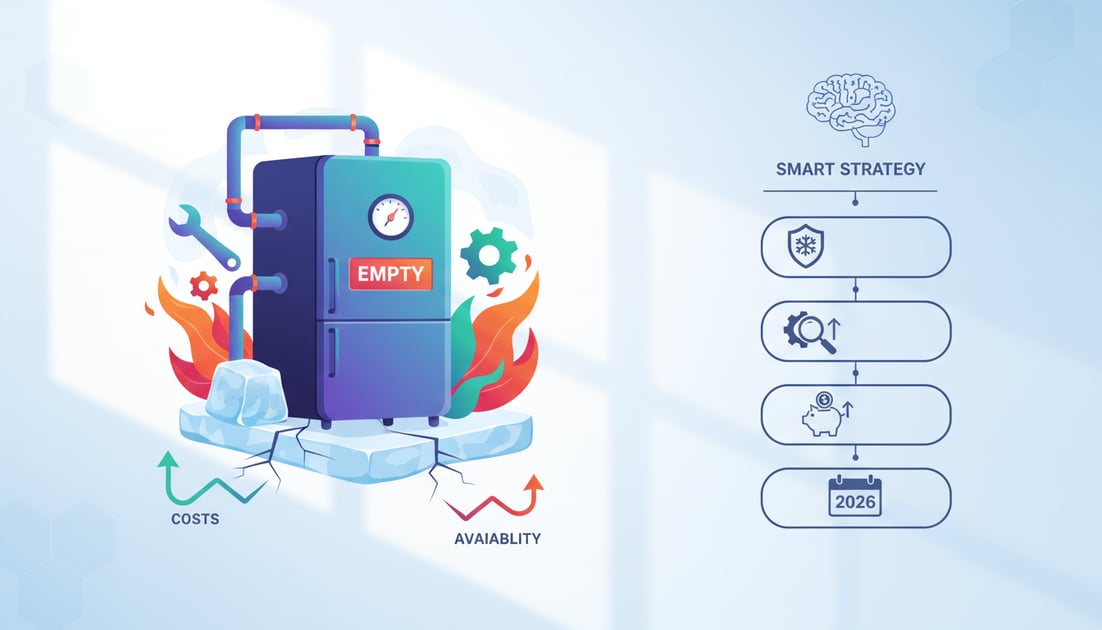
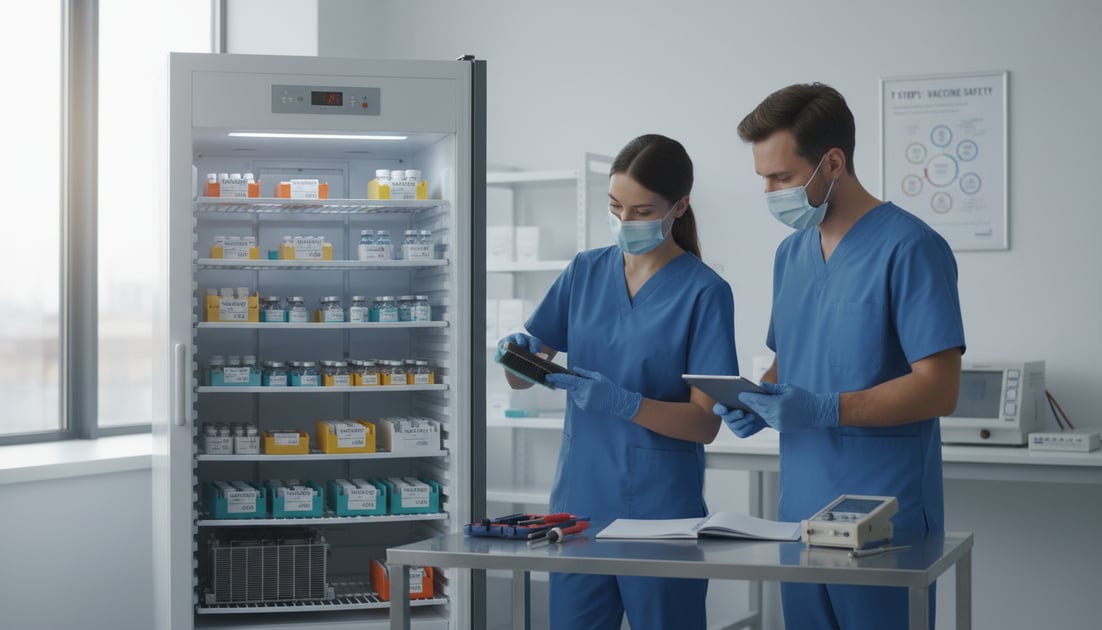
A single power outage can destroy years of careful planning. Royal Berkshire NHS Trust spent £2.7 million responding to a 2023 refrigeration failure that compromised critical vaccine storage. That's not an isolated incident. Across the United Kingdom, healthcare facilities lose millions annually when refrigeration units fail and temperature-sensitive vaccines become unusable.
The stakes extend far beyond financial losses. When a refrigeration unit drifts outside its required temperature range, vaccine potency deteriorates rapidly. You're left discarding entire batches, reordering emergency supplies, and potentially leaving vulnerable patients without protection. The Care Quality Commission (CQC) takes these compliance failures seriously, and the reputational damage compounds the direct costs.
Most failures stem from preventable maintenance lapses. Condenser coils accumulate dust, door seals degrade, and data logger systems go uncalibrated. Without backup power provisions and proper refrigeration maintenance protocols, a simple electrical issue escalates into a six-figure crisis. That Commercial Fridge Repair has witnessed how healthcare facilities with systematic maintenance schedules avoid these catastrophic events entirely, whilst those relying on reactive repairs face repeated incidents and mounting costs.
The solution isn't more expensive equipment. It's implementing structured preventative maintenance that catches issues before vaccines spoil.
Step 1: Establish Your Monthly Refrigeration Unit Inspection Protocol
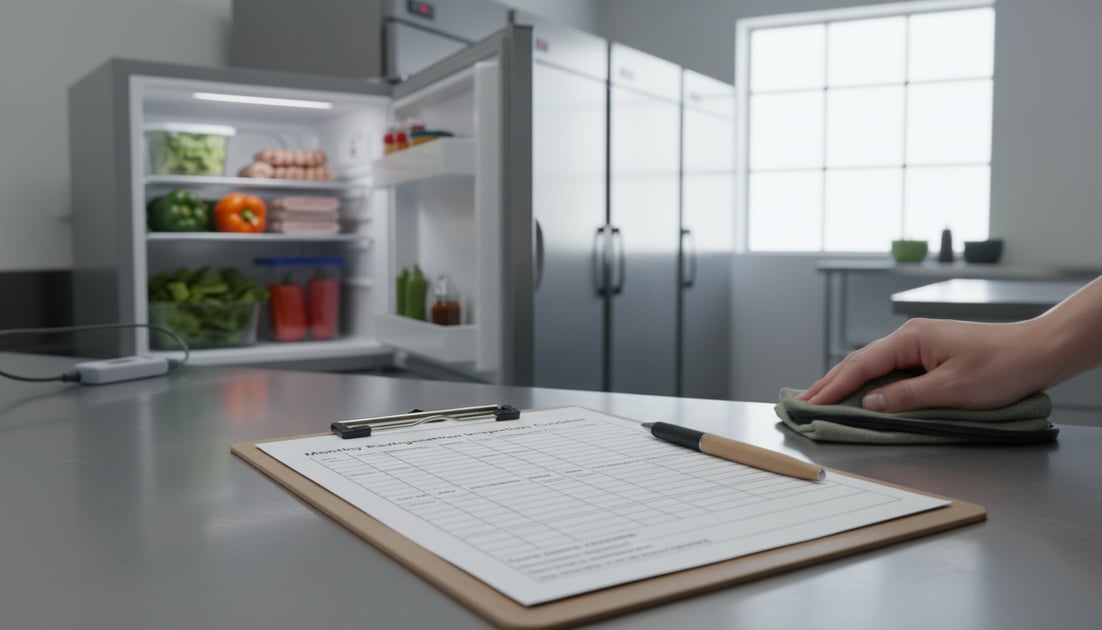
Your first line of defence against vaccine spoilage starts with systematic physical inspections. A monthly inspection protocol identifies deteriorating components before they trigger temperature excursions that compromise vaccine integrity. This isn't about reacting to alarms – it's about preventing them entirely.
Begin with door seal integrity. Press a sheet of paper between the seal and the cabinet, then close the door. If you can pull the paper out easily, the seal has lost compression and requires replacement. Damaged seals allow warm air infiltration, forcing compressors to work harder and creating temperature fluctuations that degrade vaccine potency.
Next, inspect condenser coils monthly. Dust accumulation reduces heat transfer efficiency by up to 35%, according to refrigeration engineering studies. Clean coils with a soft brush and vacuum, working carefully to avoid bending delicate fins. That Commercial Fridge Repair encounters facilities where uncleaned coils caused compressor failures within 18 months, turning a £40 cleaning task into a £3,500 emergency service.
Temperature uniformity checks complete your inspection. Place calibrated data loggers in three locations: top shelf, middle, and bottom. Record readings over 24 hours to identify cold spots or warm zones. Your cold storage should maintain consistent temperature range across all areas, typically 2°C to 8°C for most vaccines.
| Inspection Component | Frequency | Critical Warning Signs |
|---|---|---|
| Door seals | Monthly | Paper slides freely, visible cracks, condensation |
| Condenser coils | Monthly | Visible dust, reduced cooling performance |
| Temperature uniformity | Monthly | >2°C variation between zones |
Document every inspection in your commercial fridge repairs compliance checklist with dates, findings, and corrective actions taken.
Step 2: Implement AI-Powered Temperature Monitoring and Data Logger Systems
Manual temperature checks create dangerous gaps in vaccine protection. A nurse records readings twice daily, but what happens during the 22 hours between checks? That's when refrigeration units drift outside safe parameters, and by the time you discover the excursion, vaccines worth thousands of pounds have already degraded beyond use.
IoT sensor platforms eliminate these blind spots through continuous monitoring. These wireless devices transmit temperature data every 60 seconds to cloud platforms, creating an unbroken record of storage conditions. When readings approach threshold limits – typically 2°C to 8°C for most vaccines – the platform sends instant alerts to designated staff via SMS and email before vaccines sustain damage.
Real-time monitoring transforms your response capability. Instead of discovering a temperature excursion hours after it began, you receive alerts within minutes. That Commercial Fridge Repair works with healthcare facilities where AI monitoring systems detected compressor failures at 3 AM, enabling emergency service before morning vaccine clinics faced cancellation.
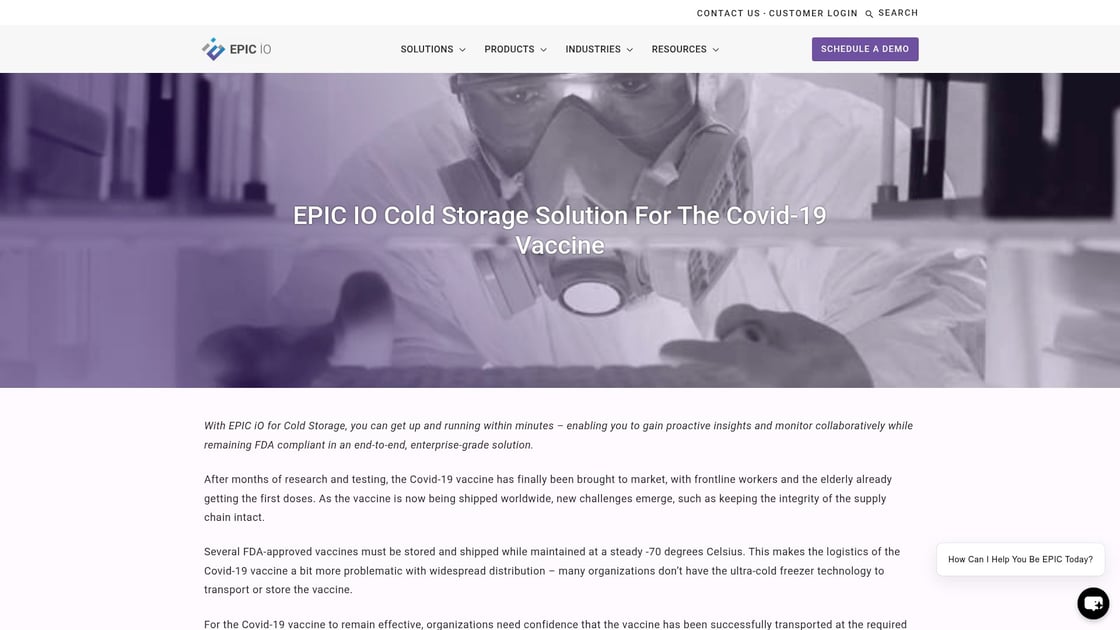
Your data logger system must meet specific compliance requirements. The CQC expects continuous temperature recording with tamper-proof audit trails. Select platforms offering automated compliance reporting that generates the documentation inspectors require. Cloud-based solutions provide redundancy – even if your local network fails, temperature data continues uploading via cellular backup.
Integration with backup power systems completes your protection. Configure alerts to notify you immediately when mains power disconnects, ensuring your backup generator or battery system activates before the refrigeration unit warms. This layered approach catches failures at multiple intervention points, protecting vaccine inventory management and maintaining the cold chain integrity that commercial fridge breakdown prevention demands.
Step 3: Calibrate Temperature Sensors and Validate Monitoring Equipment
Calibration is the process of comparing your monitoring equipment against a known accurate reference standard and adjusting it to eliminate measurement errors. UKHSA guidance specifies that vaccine storage thermometers require annual calibration to maintain accuracy within ±0.5°C, because even minor sensor drift can mask dangerous temperature excursions that compromise vaccine potency.
Establish Annual Calibration Schedules for All Temperature Sensors – Your data logger accuracy deteriorates over time through normal wear and environmental exposure. Schedule professional calibration every 12 months using traceable reference thermometers certified to national standards. Document each calibration with certificates showing pre-adjustment readings, corrections made, and post-calibration accuracy. The WHO recommends replacing sensors that require adjustments exceeding 1°C, as this indicates unreliable performance that threatens your cold chain integrity.
Validate Monitoring Equipment Against Reference Standards Monthly – Between annual calibrations, perform monthly validation checks using a calibrated reference thermometer placed alongside your primary sensors. Record both readings simultaneously over four hours. If discrepancies exceed 0.5°C, investigate immediately – your monitoring platform may be providing false assurance whilst vaccines drift outside safe temperature range. That Commercial Fridge Repair encounters facilities where uncalibrated sensors masked failing compressors for weeks, resulting in complete vaccine inventory losses.
Test Alert Systems and Backup Power Integration Quarterly – Accurate sensors mean nothing if alerts fail to reach you. Quarterly testing should simulate actual failure conditions: disconnect mains power, trigger high-temperature thresholds, verify SMS and email alerts reach all designated staff. Your commercial refrigeration maintenance protocol must confirm backup power systems activate automatically and monitoring continues uninterrupted during power transitions.
Step 4: Create Your Temperature Excursion Response Plan
A temperature excursion is any deviation from your required storage temperature range that threatens vaccine viability. According to Green Book Chapter 3, immediate documentation and viability assessment protocols determine whether vaccines remain safe for administration or require disposal. Without a structured response plan, staff hesitate, critical evidence disappears, and you cannot demonstrate compliance during CQC inspections.
Your response begins the moment monitoring alerts trigger. Designate specific staff members with authority to quarantine affected vaccines immediately – physically separate them and label them "DO NOT USE – UNDER INVESTIGATION". This prevents accidental administration whilst you assess damage. Every minute counts when temperatures breach safe limits, because potency degradation accelerates exponentially beyond 8°C.
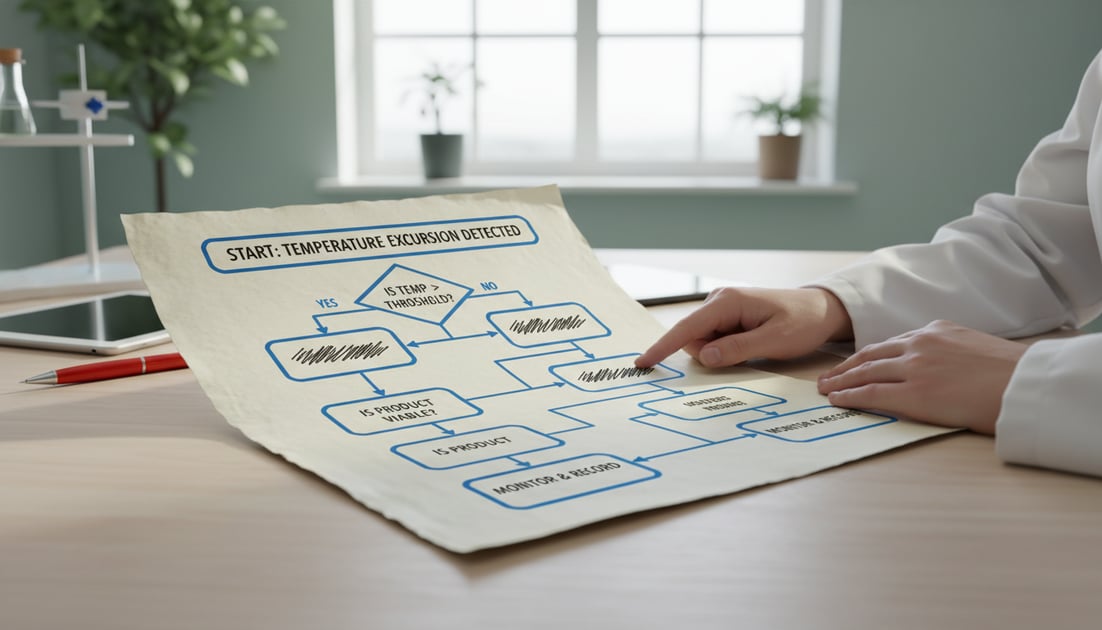
Document everything. Record the exact time the excursion began, peak temperature reached, duration, and corrective actions taken. Your data logger platform should generate automated reports, but supplement these with manual observations – was the door left open, did backup power fail, did the refrigeration unit show visible issues? That Commercial Fridge Repair recommends photographing thermometer displays and unit conditions as timestamped evidence that supports insurance claims and regulatory reporting.
Contact your immunisation coordinator or local screening and immunisation team within two hours. They'll assess vaccine viability based on manufacturer guidance and excursion severity. Some vaccines tolerate brief excursions, others don't. Never make this decision independently – professional guidance protects patients and your facility from liability.
Your compliance checklist must include post-incident review. What failed? How do you prevent recurrence? Temperature excursions reveal gaps in your refrigeration maintenance protocols that require immediate correction before the next incident occurs.
Step 5: Schedule Predictive Maintenance and Professional Service Intervals
Predictive maintenance is the practice of using data analytics and monitoring platforms to anticipate equipment failures before they occur, allowing you to schedule service during planned downtime rather than facing emergency repairs. This approach costs 40% less than reactive maintenance whilst preventing the catastrophic vaccine losses that follow unexpected refrigeration unit failures.
The financial case is straightforward. Reactive maintenance – waiting until equipment fails – forces you to pay emergency callout fees, overnight labour rates, and expedited parts shipping. You're also absorbing vaccine disposal costs, replacement inventory expenses, and potential CQC compliance penalties. Inadequate preventative maintenance is the leading cause of pharmaceutical cold room failures according to industry analysis, turning £200 scheduled inspections into £3,000 crisis interventions.
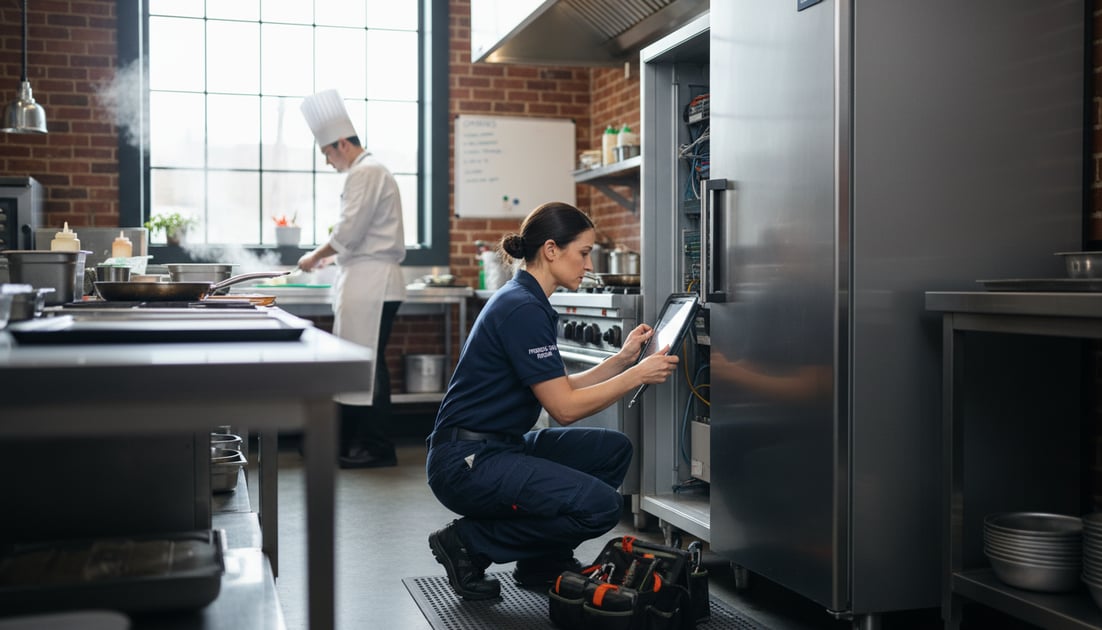
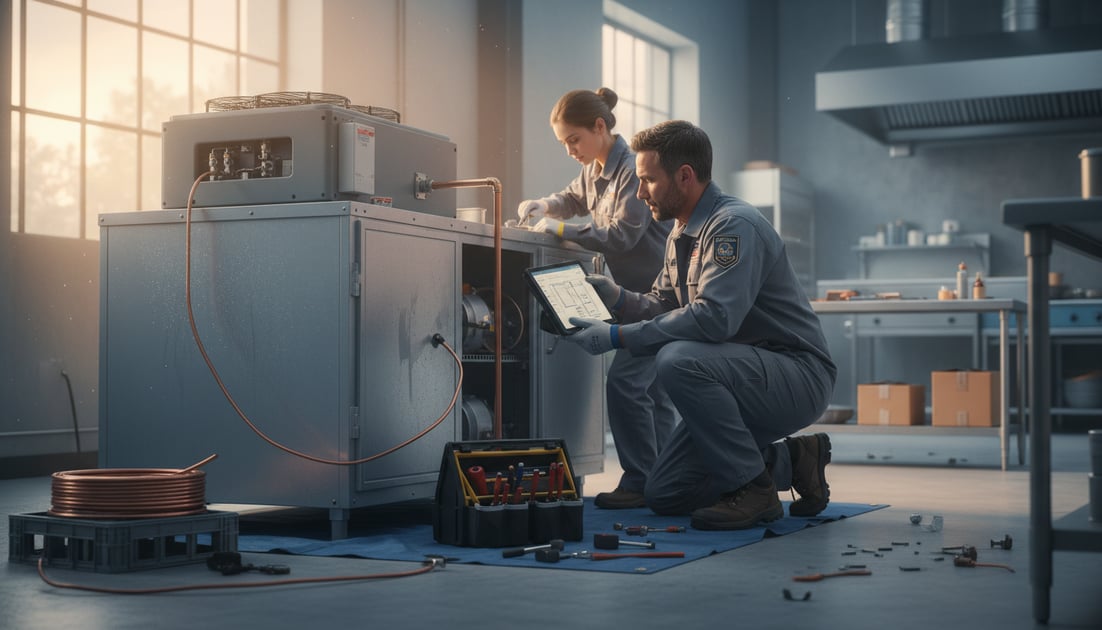
Professional refrigeration maintenance services deliver expertise your internal staff cannot replicate. That Commercial Fridge Repair technicians perform refrigerant pressure testing, compressor diagnostics, and electrical system analysis that require specialised equipment and certification. A commercial fridge breakdown at 2 AM doesn't wait for convenient business hours – scheduled service prevents these emergencies entirely.

Structure your service intervals around equipment criticality and manufacturer recommendations. Pharmaceutical-grade units storing high-value vaccine inventory warrant quarterly professional inspections, whilst backup units tolerate six-month intervals. A refrigeration maintenance agreement locks in priority response times and predictable annual costs, eliminating budget surprises when calibration or component replacement becomes necessary.
| Maintenance Approach | Annual Cost (Typical) | Downtime Risk | Compliance Confidence |
|---|---|---|---|
| Reactive (emergency only) | £4,500-£8,000 | High (unplanned) | Low (gaps in documentation) |
| Preventative (scheduled) | £1,800-£3,200 | Low (planned windows) | High (documented service history) |
Your compliance checklist must document every professional service visit with detailed reports covering refrigerant levels, electrical consumption, temperature range validation, and backup power testing. These records demonstrate due diligence during CQC inspections and support warranty claims when components fail prematurely.
Step 6: Integrate Backup Power and Redundancy Systems
Backup power is the provision of alternative electrical supply that activates automatically when mains power fails, maintaining refrigeration unit operation and preventing temperature excursions that destroy vaccine inventory. Over 40% of uninterruptible power supply (UPS) failures stem from battery issues, which means your backup systems require the same rigorous refrigeration maintenance protocols as your cold storage equipment itself.
Install Uninterruptible Power Supply Systems with Minimum 4-Hour Runtime – Your UPS must bridge the gap between mains failure and generator activation, or sustain operations until utility restoration. Calculate runtime requirements based on your refrigeration unit's power consumption and typical outage duration in your area. Lithium-ion UPS platforms deliver 40% greater energy storage efficiency compared to lead-acid alternatives, reducing physical footprint whilst extending operational continuity. That Commercial Fridge Repair recommends quarterly battery load testing to verify actual runtime matches specifications, because degraded batteries fail precisely when you need them most.
Establish Transport Container Protocols for Extended Power Failures – When backup power exhausts its capacity during prolonged outages, you need immediate vaccine relocation procedures. Pre-arrange agreements with nearby facilities that can accept your inventory on short notice. Maintain validated transport containers with gel packs and data logger systems that document temperature range throughout transit. Your compliance checklist must include quarterly drills where staff practise the complete relocation sequence, because fumbling with procedures during a genuine emergency leads to vaccine spoilage and regulatory violations.
Configure Automatic Failover with Real-Time Alert Integration – Manual backup power activation introduces dangerous delays. Your monitoring platform should detect mains disconnection within seconds and verify backup systems energise automatically. Configure alerts that notify designated staff immediately when power transitions occur, enabling rapid response if failover mechanisms malfunction. Test this integration quarterly by simulating power failures and confirming your walk-in cooler repair backup protocols function seamlessly across all critical infrastructure.
Step 7: Train Staff and Maintain Compliance Documentation
Staff training is the systematic education of personnel on proper vaccine handling, storage protocols, and emergency response procedures that protect cold chain integrity and ensure regulatory compliance. The CQC identified breaches of Regulation 17 in 10 healthcare services during recent inspections, with inadequate documentation being a primary failure point that triggers enforcement action.
Your training programme must cover four critical competencies. First, teach staff to recognise temperature excursions and execute your response plan without hesitation. They need hands-on practice with data logger platforms, understanding what alerts mean and who to contact immediately. Second, demonstrate proper inventory management procedures – stock rotation using first-expiry-first-out principles, recording batch numbers, and maintaining the two-week maximum stock guidance that reduces exposure to refrigeration unit failures.
Competency assessment separates training attendance from actual capability. Observe staff performing real tasks: responding to simulated alerts, documenting temperature readings correctly, executing backup power protocols. That Commercial Fridge Repair works with healthcare facilities where annual competency testing revealed that 30% of trained staff couldn't locate emergency contact numbers under pressure, exposing dangerous gaps between policy and practice.
Your compliance checklist requires meticulous documentation. Maintain training records showing dates, topics covered, and competency verification for every staff member handling vaccines. Include calibration certificates, service reports, temperature logs, and excursion investigations in a centralised audit file. When CQC inspectors arrive, you need immediate access to evidence demonstrating continuous compliance with industrial refrigeration maintenance standards.
Review documentation quarterly. Missing records, expired calibrations, or incomplete incident reports signal vulnerabilities that inspectors will identify. Systematic walk-in cooler repair signs monitoring and documentation practices transform regulatory inspections from stressful ordeals into routine confirmations of your operational excellence.
Protecting Public Health Through Proactive Refrigeration Maintenance
These seven steps form a comprehensive refrigeration maintenance framework that protects vaccine potency and prevents the catastrophic failures costing NHS facilities millions annually. Monthly inspections catch deteriorating door seals and clogged condenser coils before they trigger temperature excursions. AI monitoring platforms eliminate dangerous gaps between manual checks, whilst calibration protocols ensure your data logger systems provide accurate readings you can trust during CQC inspections.
The stakes couldn't be higher. A single refrigeration unit failure destroys irreplaceable vaccine inventory, disrupts immunisation programmes, and exposes your facility to regulatory enforcement action. Yet most failures stem from preventable maintenance lapses – uncalibrated sensors, untested backup power systems, and staff who lack competency in emergency response protocols. Your compliance checklist must document every inspection, calibration certificate, and training session that demonstrates continuous operational excellence.
Professional refrigeration maintenance services deliver the specialised expertise that systematic cold chain protection demands. That Commercial Fridge Repair provides certified technicians who perform the refrigerant pressure testing, compressor diagnostics, and electrical system analysis your internal staff cannot replicate. With 24/7 emergency response and preventative maintenance agreements that lock in predictable annual costs, you're protecting critical infrastructure whilst avoiding the emergency callout fees and overnight labour rates that reactive approaches impose.
Don't wait for temperature alarms to reveal maintenance gaps. Schedule your professional refrigeration inspection today through commercialfridgerepair.co.uk and implement the systematic protocols that keep vaccines safe, patients protected, and your facility compliant with regulatory standards that protect public health across the United Kingdom.