Walk-in cooler failures: 7 warning signs and how to prevent costly breakdowns
By Commercial Fridge Repair 10 min read
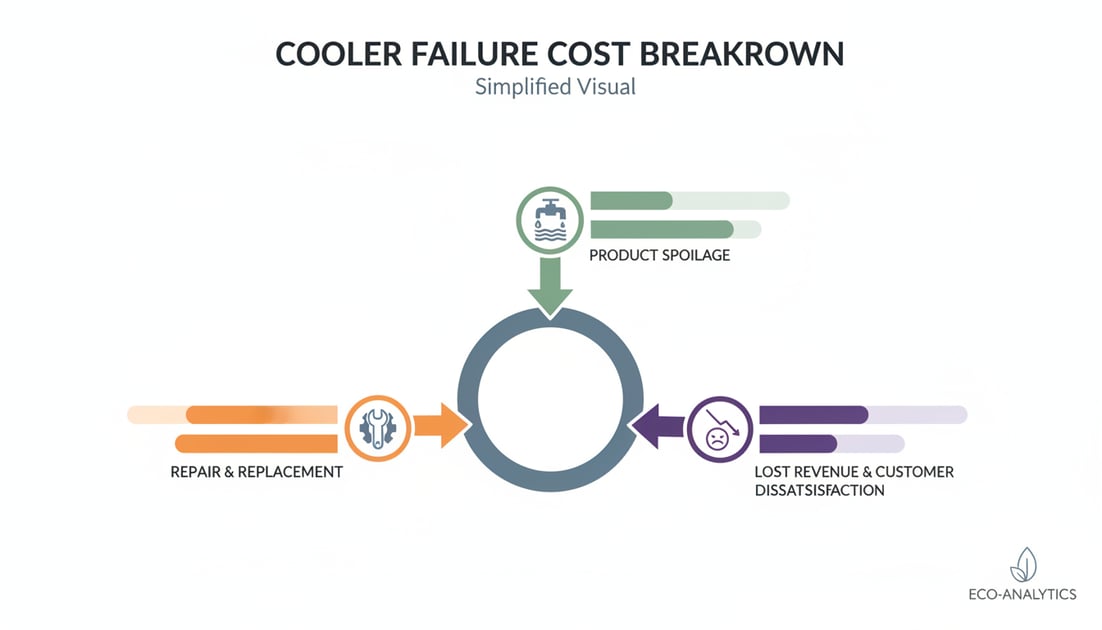
Why Walk-In Cooler Failures Cost UK Businesses Thousands
When a walk-in cooler malfunctions, the financial impact extends far beyond the immediate repair bill. UK hospitality and foodservice operators face stock losses averaging £3,000 to £8,000 per incident, alongside potential regulatory penalties and reputational damage. Energy inefficiencies from failing systems can increase operating costs by 35% before complete breakdown occurs.
The true expense lies in operational disruption. A single weekend failure forces emergency supplier runs, menu alterations, and potential closure during peak trading periods. Many businesses discover their cooling system was signalling distress for weeks before catastrophic failure, with warning signs dismissed as minor inconveniences.
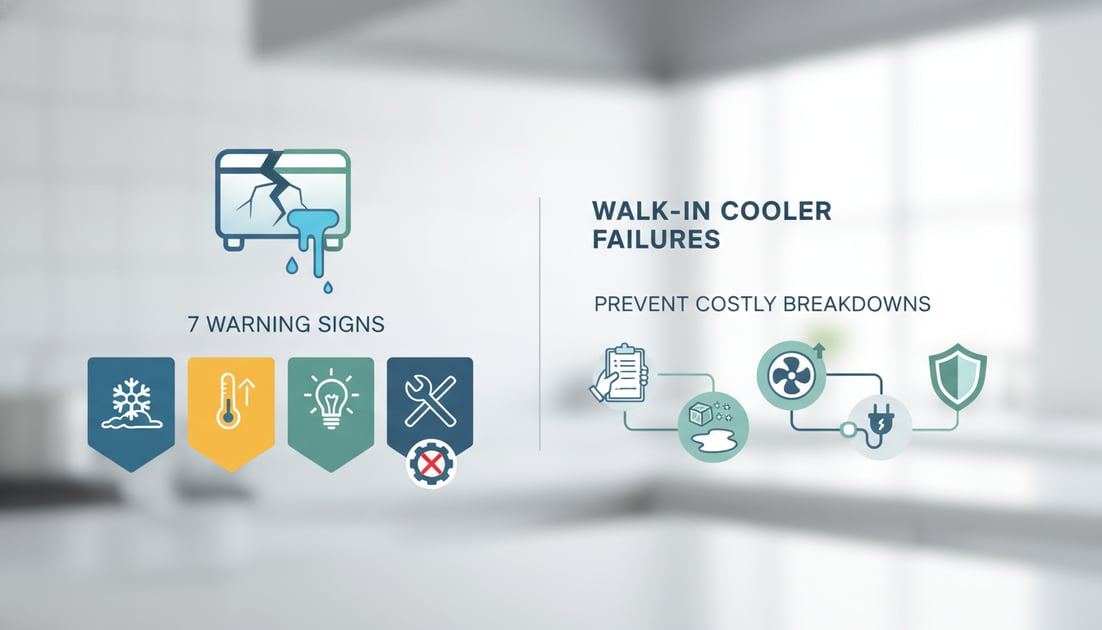
Early detection transforms these scenarios. Recognising critical indicators before they escalate protects your bottom line and ensures uninterrupted service. This guide identifies seven warning signs that demand immediate attention, helping you avoid emergency walk in cooler repair situations.
Understanding these indicators empowers proactive maintenance decisions that prevent thousands in avoidable losses.
1. Inconsistent Temperature Fluctuations
Temperature instability represents the most critical early indicator of impending walk-in cooler failure. When readings swing beyond the standard -2°C to 5°C range required for safe food storage, your system is communicating distress that demands immediate investigation.
Three primary culprits drive these fluctuations. A deteriorating compressor struggles to maintain consistent cooling cycles, creating unpredictable temperature swings throughout the day. Refrigerant leaks gradually diminish refrigeration system performance, forcing longer run times and erratic cooling patterns. Faulty thermostats send incorrect signals to your cooling equipment, triggering inappropriate cycling that undermines temperature stability.
The financial implications extend beyond equipment concerns. Temperature abuse accelerates bacterial growth in perishable stock, compromising food safety standards and triggering potential regulatory violations. A single undetected fluctuation episode can render entire inventory batches unsaleable, particularly for high-value proteins and dairy products stored at precise temperatures.
Proactive monitoring strategies:
- Record temperature readings three times daily at consistent intervals
- Install digital sensors that provide real-time data alerts
- Document any readings outside your target range immediately
- Schedule professional diagnostics when patterns emerge over 48 hours
Modern wireless monitoring platforms reduce service costs by 20-25% through early detection, transforming potential emergency situations into scheduled maintenance appointments. Addressing temperature inconsistencies promptly prevents the cascade of complications that lead to complete system failure.
2. Unusual Noises From Your Cooling System
Your walk-in cooler's acoustic signature reveals mechanical health with remarkable precision. Operational hums are normal, but distinct sounds signal component deterioration requiring urgent professional assessment.
Grinding noises indicate bearing failure within the compressor or evaporator fan motors. This metallic scraping intensifies as lubrication depletes and metal contacts metal, accelerating damage exponentially. Left unaddressed, bearing collapse leads to complete motor seizure and costly replacement rather than manageable repair.
Rattling sounds typically stem from loose mounting hardware, unsecured panels, or vibrating fan blades. Whilst seemingly minor, these vibrations stress electrical connections and refrigerant lines, creating secondary failures. Compressor mounting bolts loosening over time generate particularly aggressive rattling that damages surrounding components.
Persistent buzzing points towards electrical complications – failing relay switches, capacitor degradation, or motor windings approaching failure. These issues compromise starting cycles and increase power consumption before triggering complete shutdown.
Rhythmic clicking often signals compressor starting difficulties or thermostat cycling malfunctions. When accompanied by delayed cooling response, this pattern indicates imminent system failure.
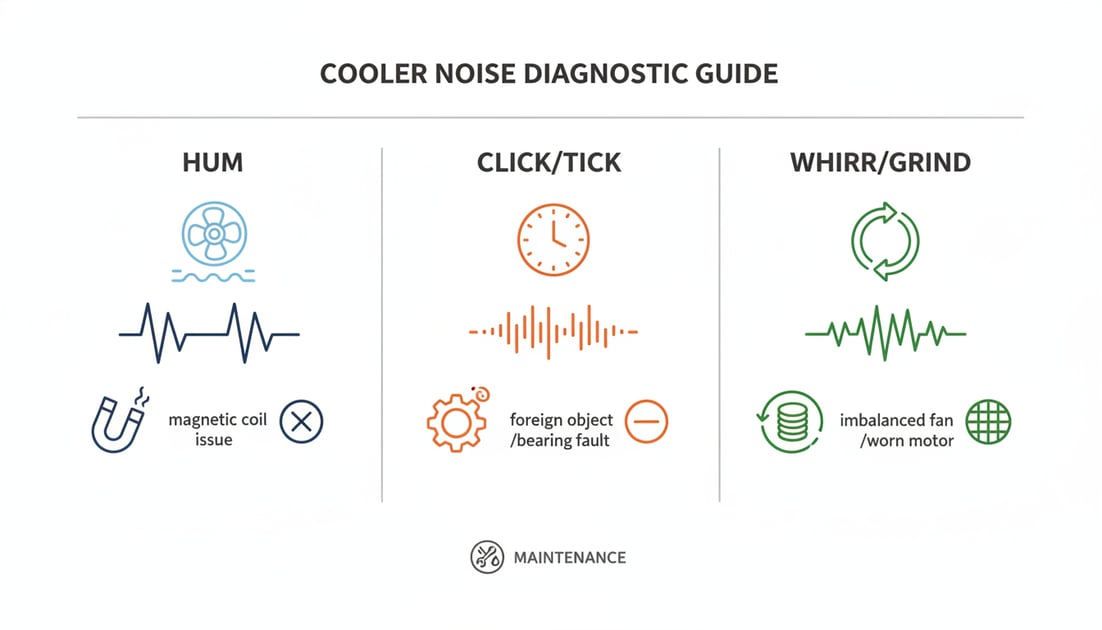
Document when noises occur, their duration, and corresponding temperature behaviour. Bearing-related sounds demand immediate professional diagnostics – delaying intervention transforms straightforward component replacement into comprehensive system overhaul. Commercial refrigeration specialists possess acoustic diagnostic expertise that identifies precise failure points before catastrophic breakdown occurs.
3. Excessive Frost and Ice Accumulation
Frost buildup beyond light surface coverage signals underlying mechanical failures demanding immediate attention. When ice formations obstruct evaporator coils or encroach upon storage space, your walk-in cooler is broadcasting multiple system compromises simultaneously.
Primary failure mechanisms:
Deteriorating door seals allow warm, moisture-laden air infiltration. This humidity immediately condenses and freezes upon contact with cold surfaces, creating progressive ice layers that worsen with each opening cycle. Even minor gasket gaps generate substantial frost accumulation over 48-72 hours.
Defrost system malfunctions prevent scheduled ice removal from evaporator coils. When timers, heaters, or termination switches fail, ice encases coils completely, choking airflow and forcing your compressor into continuous operation. This scenario increases energy consumption by 25-40% whilst simultaneously reducing cooling capacity.
Blocked condensate drains trap meltwater that refreezes during cooling cycles, creating ice dams that expand throughout the drainage pathway.

Restricted airflow from frost accumulation creates temperature stratification, compromising food safety in affected zones. The compounded stress accelerates component wear, transforming manageable repairs into complete system replacement scenarios. Professional diagnostic inspection identifies root causes before cascading failures occur, protecting both equipment investment and operational continuity.
4. Water Leaks and Persistent Condensation
Water pooling beneath your walk-in cooler or persistent moisture on interior surfaces indicates distinct mechanical failures separate from frost-related complications. Unlike ice accumulation, liquid water signals drainage pathway obstructions, compromised sealing integrity, or refrigerant system deterioration requiring specialised diagnosis.
Clogged drain lines represent the most frequent culprit. Food debris, mineral deposits, and microbial biofilm progressively restrict condensate flow, forcing meltwater backwards into the cooler interior or outward onto surrounding floors. Frozen drain traps compound this issue during temperature cycling, creating complete blockages.
Door gasket failures permit humid ambient air penetration that condenses on cold surfaces, generating continuous moisture accumulation. This differs from frost patterns – condensation typically manifests as water droplets or wet patches rather than ice formations.
Refrigerant leaks occasionally produce localised condensation around affected components, though temperature instability usually appears first.
The hazards extend beyond equipment concerns. Standing water creates immediate slip risks for staff navigating high-traffic areas, whilst persistent moisture fosters mould proliferation and bacterial growth that compromise food safety standards. UK Health and Safety regulations mandate prompt remediation of wet floor hazards in commercial environments.
Routine professional inspections identify drainage vulnerabilities before they escalate into safety incidents or regulatory violations, protecting both personnel welfare and operational compliance.
5. Unexplained Increases in Energy Bills
Monthly electricity costs provide quantifiable evidence of deteriorating walk-in cooler performance long before visible symptoms emerge. When energy consumption climbs 15-20% without corresponding operational changes, your refrigeration system is labouring against mechanical inefficiencies that demand investigation.
Dirty evaporator coils rank amongst the most insidious efficiency killers. Even minimal dust accumulation creates an insulating barrier that blocks heat transfer, forcing compressors to run extended cycles whilst achieving diminished cooling output. Research demonstrates efficiency losses exceeding 21% from this single factor alone.
Refrigerant leaks compel systems into continuous operation attempting to maintain target temperatures with insufficient coolant capacity. Worn door gaskets permit constant warm air infiltration, triggering relentless cooling cycles that consume excessive power throughout operating hours.
Benchmark your consumption against historical data. Seasonal variations of 8-12% are normal, but sustained increases beyond this threshold signal underlying malfunctions. UK commercial facilities implementing targeted maintenance interventions have documented cooling cost reductions approaching 42% within six months, transforming energy waste into measurable savings.
Professional energy audits identify specific components driving consumption spikes, enabling strategic repairs that restore optimal performance before minor inefficiencies escalate into complete system replacement scenarios.
6. Compressor Running Continuously Without Cycling
Healthy walk-in coolers cycle predictably – compressors activate, achieve target temperature, then rest before repeating. When your compressor operates relentlessly without these natural pauses, multiple critical failures are converging simultaneously.
Low refrigerant levels force compressors into perpetual operation attempting to compensate for diminished cooling capacity. The system never achieves sufficient temperature drop to trigger shutdown, burning excessive electricity whilst delivering inadequate performance. This scenario inflicts severe mechanical stress, dramatically shortening compressor lifespan.
Contaminated condenser coils choke heat dissipation capability, preventing proper refrigerant cooling. Your compressor labours endlessly against this thermal bottleneck, consuming 30-40% additional energy whilst temperatures drift upward regardless.
Malfunctioning thermostats fail to signal when target temperatures are reached, leaving compressors running indefinitely even when adequate cooling exists. This electrical failure masquerades as refrigeration system deterioration, complicating diagnosis without professional assessment.
Continuous operation accelerates component wear exponentially – bearings, motors, and electrical contacts deteriorate from heat buildup and constant friction. What begins as inefficiency rapidly progresses toward catastrophic compressor seizure requiring complete replacement rather than targeted repair.
Document runtime patterns immediately. Systems operating beyond 18-hour daily cycles warrant urgent professional evaluation before irreversible damage occurs.
7. Deteriorating Door Seals and Gasket Damage
Door gaskets represent your walk-in cooler's first defence against thermal loss, yet receive minimal attention until complete failure occurs. Compromised seals permit continuous warm air intrusion, forcing refrigeration systems to compensate through extended runtime that inflates energy costs by 20-30% before operators notice performance degradation.
Visual inspection reveals deterioration patterns:
Run your hand along seal perimeters checking for cracks, brittleness, or tears in the rubber material. Visible light gaps when doors close indicate compression loss. Condensation forming around door frames signals air exchange occurring through degraded gasket zones.
The pound note test provides immediate assessment – close a banknote in the door and attempt withdrawal. Excessive ease indicates insufficient seal compression demanding replacement.
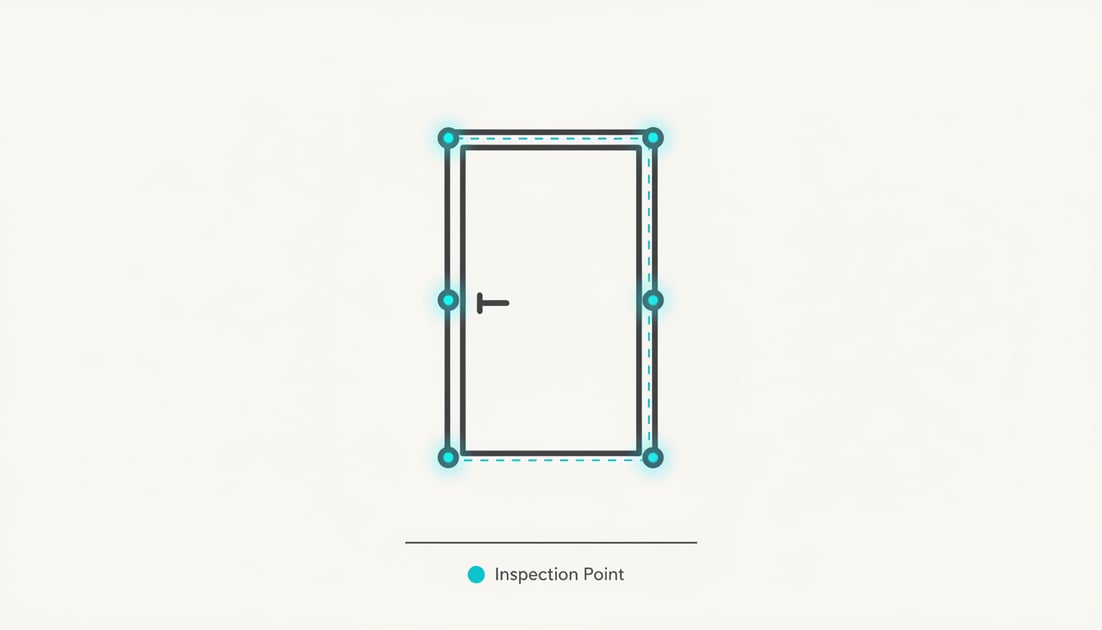
Gasket replacement typically costs £150-400 depending on door dimensions, whilst delaying intervention generates monthly energy waste exceeding these figures. Professional installation ensures proper alignment and compression, maximising seal lifespan averaging 3-5 years under normal conditions. Quarterly inspections identify early wear, transforming gasket maintenance into predictable operational expenses rather than emergency interventions.
What Type of Maintenance is Typically Performed to Avoid Equipment Breakdown?
Strategic preventative maintenance schedules eliminate 80% of walk-in cooler failures before they disrupt operations. Structured programmes address critical system components through timed interventions that preserve performance and extend equipment lifespan.
Condenser coil cleaning demands quarterly attention in high-dust environments, bi-annually for standard conditions. Accumulated debris creates insulating barriers that diminish heat transfer efficiency by 21%, forcing compressors into prolonged operation cycles. Professional cleaning restores optimal thermal exchange, reducing energy consumption measurably.
Refrigerant level verification occurs during bi-annual inspections, ensuring adequate charge without leaks. UK F-Gas regulations mandate leak detection systems for installations exceeding specific thresholds, with quarterly checks required for larger commercial systems. Low refrigerant forces continuous compressor operation, accelerating mechanical wear.
Door seal assessments quarterly identify compression loss, cracks, or alignment issues before air infiltration compromises temperature stability. Simple visual inspections combined with physical resistance tests prevent the 20-30% energy waste deteriorating gaskets generate.
Drain line maintenance every three months prevents blockages from food debris and biofilm accumulation. Flushing condensate pathways with approved solutions eliminates obstructions that cause water backup and potential safety hazards.
Electrical component testing during bi-annual professional service evaluates relay switches, capacitors, thermostats, and control boards. Identifying voltage irregularities or failing components prevents unexpected shutdowns during peak trading periods.
Documented maintenance schedules satisfy regulatory compliance requirements whilst transforming unpredictable repair expenses into manageable operational costs. Facilities implementing structured programmes report 42% reductions in emergency callouts within twelve months.
How Do You Maintain a Refrigeration System?
Structured maintenance schedules prevent costly failures whilst ensuring regulatory compliance across UK commercial operations. Facility managers require clear protocols that address daily vigilance through to annual professional interventions.
Daily checks focus on temperature monitoring and visual assessments. Record readings at opening, midday, and closing to identify drift patterns early. Inspect door closures for proper sealing and check floors for moisture accumulation indicating drainage concerns.
Weekly tasks include cleaning door gaskets with approved sanitisers, removing debris from accessible surfaces, and verifying adequate clearance around condenser units for airflow. Document any unusual operational sounds or extended compressor cycles.
Monthly inspections demand condenser coil examination for dust buildup, drain line flushing to prevent blockages, and thermostat calibration verification. Test door seal integrity using resistance checks across all access points.
Annual professional servicing addresses components requiring specialist expertise. Certified technicians conduct F-Gas compliance checks, refrigerant level verification, electrical system diagnostics, and comprehensive performance testing. UK regulations mandate qualified personnel handle refrigerant-related maintenance, with leak detection requirements for larger installations.
Research demonstrates facilities implementing these tiered protocols achieve energy reductions approaching 20% whilst eliminating 80% of emergency callouts. Documentation satisfies regulatory audits and transforms unpredictable repair expenses into manageable operational planning.
Protect Your Business With Proactive Walk-In Cooler Care
Recognising these seven indicators – temperature fluctuations, unusual acoustics, frost buildup, moisture issues, climbing energy bills, non-stop compressor operation, and gasket deterioration – empowers decisive action before catastrophic failure strikes. Preventive maintenance consistently proves more cost-effective than emergency interventions, protecting valuable inventory whilst eliminating operational disruption during peak trading periods.
The stakes extend beyond immediate repair expenses. System failures trigger stock losses, regulatory complications, and revenue erosion that compound rapidly. Every hour of downtime multiplies financial exposure whilst compromising customer commitments.
That Commercial Fridge Repair delivers 24/7 emergency response alongside scheduled preventive programmes designed to eliminate unexpected breakdowns. Factory-trained technicians diagnose issues before they escalate, transforming potential crises into manageable maintenance appointments. Contact our team today to safeguard your refrigeration investment.