Walk-in cooler retrofit costs: 2026 energy savings guide
By Commercial Fridge Repair 13 min read
Why Walk-In Cooler Retrofits Are the Smart Investment for 2026
Energy costs aren't coming down. Commercial refrigeration accounts for over a third of a commercial kitchen's total energy consumption, and with utility prices continuing to pressure margins, facility managers are looking beyond reactive maintenance to proactive solutions. Walk-in cooler retrofits offer a measurable path to cutting operational expenses whilst improving reliability.
The case for retrofitting has never been stronger. Regulatory changes are accelerating the shift – from July 2026, the UK bans the sale of refrigeration equipment with a global warming potential of 150 or more under F-gas regulations. That means older walk-in coolers aren't just inefficient; they're increasingly non-compliant. Upgrading now positions you ahead of mandatory changes.
Modern retrofit technologies deliver tangible energy savings through targeted improvements. ECM motors reduce compressor energy use. LED lighting cuts heat load whilst improving visibility. Strip curtains and upgraded door seals prevent cold air loss. Energy monitoring systems detect inefficiencies before they escalate into costly failures. That Commercial Fridge Repair works with facility managers to assess which retrofit components deliver the strongest ROI based on current equipment condition and usage patterns, ensuring you invest where it counts most.
Do Walk-In Coolers Use a Lot of Electricity?
Walk-in coolers are among the most energy-intensive components in commercial facilities, typically consuming between 4,000 and 8,000 kilowatt-hours (kWh) annually for a standard 2.4 by 2.4 metre unit. That translates to roughly 11 to 22 kWh per day – enough to power several households. Larger units or those operating in warmer environments push consumption significantly higher, making refrigeration one of the largest contributors to your energy costs.
The exact figure depends on several factors. Compressor efficiency, insulation quality, door seals, and ambient temperature all play critical roles. Older walk-in coolers with worn components can consume 30% more energy than Energy Star certified models. Poor maintenance compounds the problem – a single faulty door gasket or malfunctioning evaporator fan forces the compressor to run longer cycles, driving up utility bills.
Energy monitoring provides the baseline you need before considering retrofits. Without knowing your current consumption patterns, you're operating blind. Modern monitoring systems track real-time usage and identify inefficiencies like unexpected temperature fluctuations or excessive compressor runtime. This data-driven insight reveals whether your walk-in cooler is performing within expected parameters or wasting energy through degraded components.
Understanding your baseline consumption isn't just about identifying problems. It's about quantifying the opportunity. When you know a unit consumes 7,000 kWh annually, you can calculate precisely what a 25% reduction through LED lighting, ECM motors, or improved insulation means in actual energy savings and ROI.
How Much Does It Cost to Run a Walk-In Cooler Per Month?
A standard 2.4 by 2.4 metre walk-in cooler costs between £80 and £160 per month to operate in the UK, based on 2026 commercial electricity rates averaging 20-23p per kilowatt-hour (kWh). That's £960 to £1,920 annually – a significant line item that compounds across multiple units.
The calculation is straightforward. A typical unit consuming 6,000 kWh annually at 22p per kWh costs £110 per month. Larger walk-in coolers or those with degraded components push consumption to 8,000 kWh or higher, driving monthly costs toward £147. Older units lacking modern insulation or efficient compressors can exceed these figures by 30%, adding £400 to £600 annually in wasted energy.
| Unit Size | Annual Consumption | Monthly Cost (22p/kWh) |
|---|---|---|
| 2.4m x 2.4m (Standard) | 6,000 kWh | £110 |
| 3.6m x 3.6m (Medium) | 9,000 kWh | £165 |
| 4.8m x 4.8m (Large) | 12,000 kWh | £220 |
Energy costs directly impact your bottom line, but they also reveal retrofit opportunities. When you identify a unit consuming £160 monthly, a 25% reduction through walk-in cooler repair and targeted upgrades saves £480 annually. Multiply that across several units and the ROI case becomes compelling. Energy monitoring pinpoints which components drive excess consumption, allowing you to prioritise retrofits that deliver measurable savings rather than guessing where to invest.
5 High-ROI Walk-In Cooler Retrofit Technologies for 2026
Modern retrofit technologies transform energy-draining walk-in coolers into efficient, compliant assets. The key is selecting upgrades that deliver measurable returns, not just incremental improvements. Here are five proven options with real cost breakdowns and payback timelines.
1. ECM Evaporator Fan Motors – Electronically Commutated Motors (ECM) replace traditional shaded-pole motors in evaporator fans, reducing energy consumption by 60-75%. A standard walk-in cooler with three evaporator fans consumes approximately 1,800 kWh annually with conventional motors. Upgrading to ECM motors drops this to 450-720 kWh, saving £250-300 yearly at current rates. Installation costs range from £400-600 per unit, delivering a payback period of 18-24 months. ECM motors also run cooler and quieter, extending component lifespan whilst reducing maintenance needs.
2. LED Lighting Retrofits – LED lighting delivers immediate energy savings whilst reducing heat load inside the cooler. Traditional T8 fluorescent fixtures generate significant heat that forces the refrigeration system to work harder. LED retrofits consume 50-70% less energy and produce minimal heat. For a standard walk-in cooler operating 24/7, LED upgrades cost £150-300 and save £80-120 annually, with payback in 15-30 months. The reduced heat load also decreases compressor runtime, compounding your energy savings beyond the lighting itself.
3. High-Performance Strip Curtains and Door Seals – Air infiltration accounts for up to 30% of walk-in cooler energy waste. Installing commercial-grade PVC strip curtains (£200-400) and replacing worn door gaskets (£100-200) prevents cold air loss during frequent access. These upgrades save 15-25% on cooling costs, translating to £180-300 annually for a typical unit. Payback occurs within 12-18 months. That Commercial Fridge Repair identifies air infiltration issues during energy efficiency consulting assessments, quantifying exactly how much energy you're losing through compromised door seals.
4. Advanced Insulation Improvements – Upgrading wall and ceiling insulation from R-20 to R-30 values reduces heat transfer by 30-40%. Spray foam insulation costs £800-1,500 for a standard walk-in cooler but cuts annual energy consumption by 1,200-1,800 kWh, saving £264-396 yearly. Payback ranges from 3-5 years, making this ideal for units you plan to operate long-term. Insulation upgrades also stabilise internal temperatures, reducing compressor cycling and extending equipment lifespan.
5. Smart Energy Monitoring and Control Systems – Real-time monitoring platforms track temperature, humidity, compressor runtime, and energy consumption, alerting you to inefficiencies before they escalate. Systems cost £500-1,200 installed but identify issues like faulty defrost cycles or refrigerant leaks that waste 10-20% of energy. The data-driven insight these platforms provide helps you prioritise future retrofits based on actual performance rather than assumptions. When combined with programmable controls that optimise defrost cycles and fan operation, monitoring systems deliver 8-15% energy savings with payback in 2-4 years.
Understanding Payback Periods: What to Expect from Your Retrofit Investment
Calculating the payback period for your walk-in cooler retrofit requires precise baseline data and realistic deployment timelines. Most commercial refrigeration retrofits deliver full ROI within 2-5 years, depending on which technologies you prioritise and your current energy consumption patterns. The key is matching upgrade components to measurable savings rather than pursuing blanket improvements.
Start with your annual energy costs. A walk-in cooler consuming 6,000 kWh at 22p per kWh costs £1,320 yearly. If ECM motors, LED lighting, and improved door seals reduce consumption by 30%, you save £396 annually. With combined installation costs of £1,200-1,500, your payback period sits at 3-4 years. That's a conservative estimate – utility rebates and avoided maintenance costs often accelerate returns.
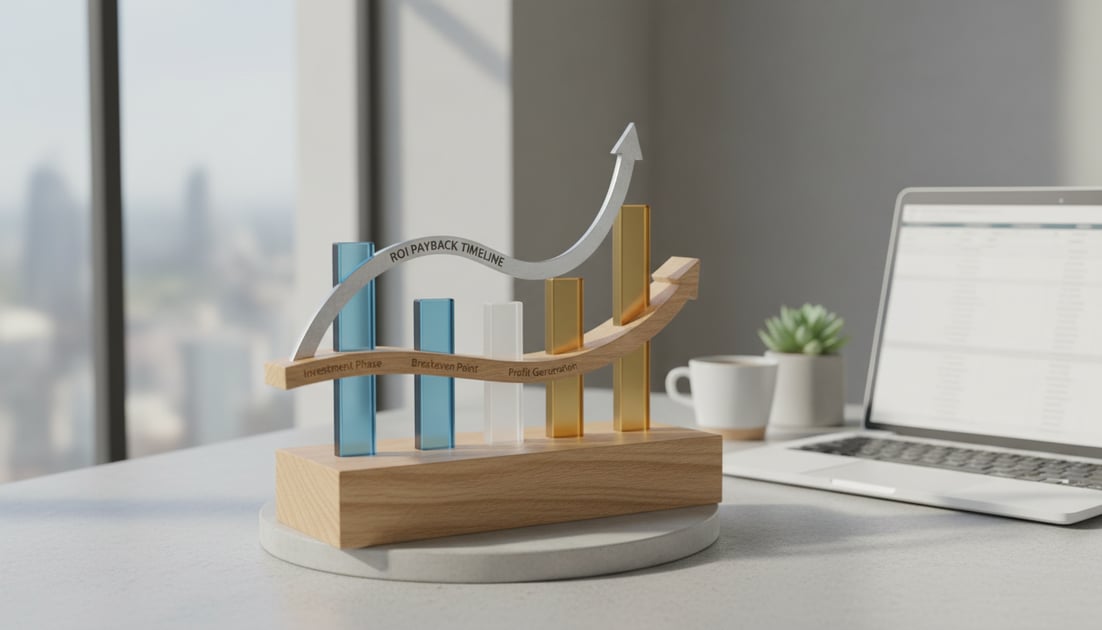
Deployment timeline matters as much as technology selection. Simple upgrades like LED lighting and strip curtains install in 2-4 hours with minimal disruption. ECM motor retrofits require 4-8 hours and brief system shutdown. Comprehensive projects involving insulation improvements and HVAC system integration may span 2-3 days. That Commercial Fridge Repair coordinates retrofit installations during low-demand periods to minimise operational impact whilst ensuring proper commissioning and energy monitoring calibration.
| Retrofit Component | Installation Cost | Annual Savings | Payback Period |
|---|---|---|---|
| ECM Motors | £400-600 | £250-300 | 18-24 months |
| LED Lighting | £150-300 | £80-120 | 15-30 months |
| Door Seals & Strip Curtains | £300-600 | £180-300 | 12-18 months |
The strongest ROI comes from stacking utility rebates with energy savings. Many UK energy suppliers offer incentives for commercial refrigeration upgrades that meet efficiency standards, reducing upfront costs by 15-25%. Combined with immediate energy cost reductions and extended equipment lifespan, your effective payback period often drops below two years for high-priority components.
Smart Energy Monitoring Systems: Preventing Equipment Failure Before It Happens
Smart energy monitoring systems represent the most proactive approach to preventing walk-in cooler failures before they disrupt operations. These platforms continuously track critical performance metrics – temperature fluctuations, compressor runtime, energy consumption patterns, and refrigerant pressure – identifying anomalies that signal impending equipment failure. When a compressor begins drawing 15% more power than baseline, the monitoring system alerts you days or weeks before complete failure occurs.
The financial case is compelling. Unplanned equipment failure costs commercial facilities an average of £2,500-5,000 per incident when you factor in emergency repairs, spoiled inventory, and lost revenue. Energy monitoring systems detect early warning signs like irregular defrost cycles, failing door seals, or refrigerant leaks that waste 10-20% of energy whilst degrading performance. By catching these issues early, you avoid catastrophic failures and reduce overall maintenance costs.
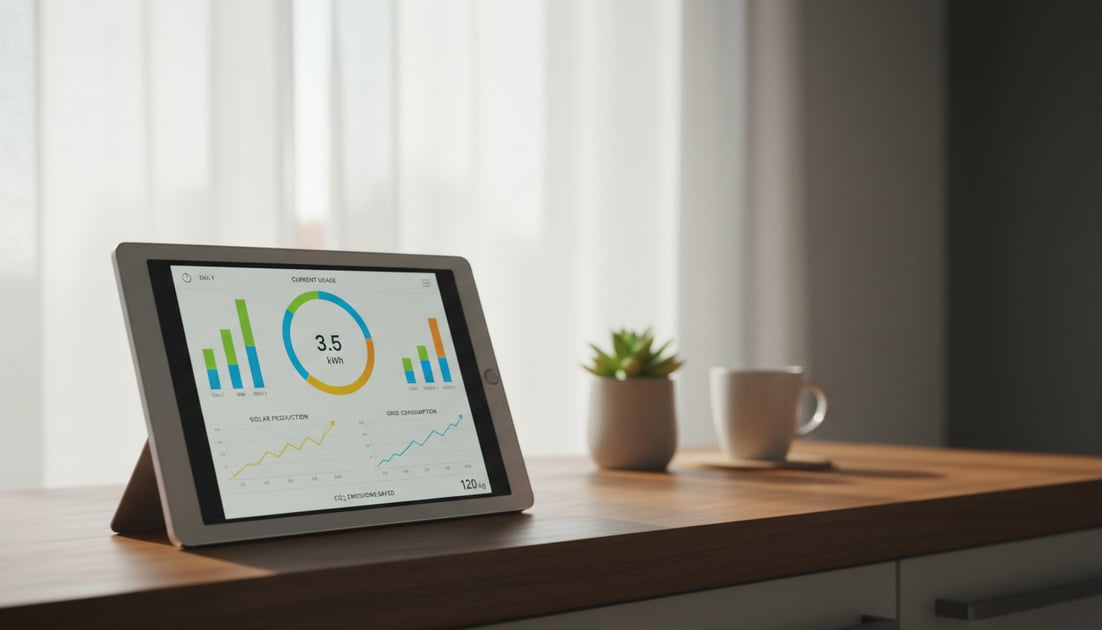
Modern monitoring platforms integrate with your existing HVAC system and refrigeration equipment, providing real-time visibility across all walk-in coolers from a single dashboard. You receive instant alerts when temperature exceeds safe thresholds or when energy consumption spikes unexpectedly. That Commercial Fridge Repair uses monitoring data during preventive maintenance assessments to identify walk-in cooler issues before they escalate, scheduling repairs during planned downtime rather than responding to emergencies.
The data these systems generate transforms how you approach retrofits. Instead of guessing which components need upgrading, you see exactly where energy waste occurs. A monitoring system might reveal that one walk-in cooler consumes 40% more energy than identical units, pointing directly to compressor inefficiency or insulation degradation. This precision allows you to prioritise retrofit investments based on measurable impact, ensuring every pound spent delivers maximum energy savings and reliability improvements.
Beyond the Cooler: Integrated HVAC and Refrigeration Efficiency Strategies
Walk-in cooler retrofits deliver maximum value when integrated with broader facility energy strategies rather than treated as isolated improvements. Modern commercial facilities achieve 35-50% greater energy savings by coordinating refrigeration upgrades with Heating, Ventilation, and Air Conditioning (HVAC) system optimisation, renewable energy generation, and battery storage solutions. This comprehensive approach transforms energy costs from a persistent expense into a manageable, predictable line item.
1. HVAC System Integration – Your walk-in cooler doesn't operate in isolation. Heat rejected by refrigeration compressors represents wasted energy that can supplement building heating during winter months or be vented efficiently during summer. Coordinating refrigeration retrofits with HVAC system upgrades allows you to capture waste heat through heat recovery systems, reducing overall facility energy consumption by 12-18%. That Commercial Fridge Repair assesses how refrigeration equipment interacts with existing HVAC infrastructure, identifying opportunities to reclaim rejected heat whilst ensuring proper ventilation prevents compressor overheating.
2. Solar Power Offset Strategies – Solar photovoltaic systems paired with walk-in cooler retrofits create powerful synergy. A typical 10kW solar array generates 8,500-10,000 kilowatt-hours (kWh) annually in the UK, offsetting 60-80% of a standard walk-in cooler's consumption. When you reduce cooler energy demand by 30% through ECM motors and LED lighting before installing solar panels, you need fewer panels to achieve energy independence. The combined approach accelerates payback periods for both investments whilst maximising utility rebates available for renewable energy and efficiency upgrades.
3. Storage Battery Load Shifting – Battery storage systems allow you to run walk-in coolers during off-peak hours when electricity rates drop 40-60%, then coast through peak demand periods. A 20kWh battery system costs £4,000-6,000 installed but saves £600-900 annually by shifting refrigeration loads away from expensive peak periods. Combined with energy monitoring that identifies optimal charging windows and solar generation that recharges batteries during daylight hours, storage batteries transform your walk-in cooler from an inflexible energy drain into a flexible, cost-optimised asset.
When Repair Makes More Sense Than Retrofit
Not every walk-in cooler needs a comprehensive retrofit. Strategic repair often delivers better value when equipment remains fundamentally sound but suffers from isolated component failures. The decision hinges on three factors: equipment age, failure scope, and remaining service life.
Walk-in coolers under ten years old with single-point failures typically benefit more from targeted repair than full retrofits. A malfunctioning evaporator fan motor costs £200-400 to replace and restores full efficiency within hours. Retrofitting that same unit with ECM motors, LED lighting, and monitoring systems costs £1,500-2,500 – worthwhile for units you'll operate another decade, but excessive when the compressor shows signs of wear that'll require replacement within two years.
Maintenance history reveals whether repair makes sense. Units receiving consistent preventive care rarely need aggressive retrofits before reaching 15-20 years of service. A well-maintained walk-in cooler consuming 6,500 kWh annually sits within normal parameters – retrofitting might save £200-300 yearly, but repairing a faulty door seal for £150 solves immediate energy waste without the complexity of system-wide upgrades. That Commercial Fridge Repair evaluates component condition alongside energy consumption patterns during assessments, recommending repair when it delivers faster ROI than retrofit investments.
The 50% rule provides a practical benchmark. When repair costs exceed half the price of retrofit with superior efficiency, upgrade instead. But when a £300 compressor relay repair restores a twelve-year-old cooler to full function, you've bought years of reliable service whilst preserving capital for units genuinely requiring replacement.
How Much Would It Cost to Build a Walk-In Cooler?
Building a new walk-in cooler from scratch costs between £5,000 and £20,000 in the UK, depending on size, insulation specifications, and refrigeration capacity. A standard 2.4 by 2.4 metre unit typically runs £8,000-12,000 including materials, refrigeration equipment, and installation. That's before you factor in electrical work, building modifications, or compliance certifications required under current F-gas regulations.
Retrofit costs tell a different story. Upgrading an existing walk-in cooler with ECM motors, LED lighting, improved door seals, and energy monitoring runs £1,500-3,500 – roughly 20-35% of new construction costs. You preserve the structural investment whilst achieving modern efficiency standards and regulatory compliance. The savings multiply when you consider avoided downtime and construction disruption that new installations require.
| Approach | Typical Cost | Timeline | Energy Efficiency |
|---|---|---|---|
| New Construction | £8,000-12,000 | 2-4 weeks | Modern standards |
| Comprehensive Retrofit | £1,500-3,500 | 2-3 days | 25-40% improvement |
| Targeted Component Upgrades | £600-1,200 | 4-8 hours | 15-25% improvement |
The retrofit advantage extends beyond upfront costs. New construction requires planning permissions, structural assessments, and potential HVAC system modifications that add weeks to deployment. Retrofits work within your existing footprint, delivering measurable energy savings without the complexity of building from scratch. When your walk-in cooler structure remains sound but components underperform, targeted upgrades deliver superior ROI compared to replacement costs.
Your Next Steps Toward Lower Energy Bills
Walk-in cooler retrofits deliver measurable energy savings when you prioritise the right components. ECM motors, LED lighting, and improved door seals typically reduce consumption by 25-40%, translating to £300-500 in annual savings for a standard unit. Energy monitoring systems provide the baseline data you need to identify which upgrades deliver the strongest ROI based on your actual usage patterns rather than generic assumptions.
The strongest approach combines targeted retrofits with proactive maintenance. That Commercial Fridge Repair assesses your current equipment condition, quantifies energy waste through real-time monitoring data, and recommends specific improvements that align with your operational timeline and budget constraints. You get preliminary savings projections before committing to upgrades, ensuring every investment delivers documented returns.
Start with a comprehensive energy audit. Understanding your baseline consumption reveals whether a £400 ECM motor upgrade or a £150 door seal repair solves your immediate energy waste. Contact That Commercial Fridge Repair to schedule an assessment that identifies your highest-impact retrofit opportunities and calculates exact payback periods based on current utility rates and equipment performance.
Frequently Asked Questions
Do walk-in coolers use a lot of electricity?
However, a walk-in refrigerator or freezer utilizes approximately 0.7 to 2.5 kWh per hour (depending on the size). Based on this information, it will cost an average of 7 to 25 cents per hour for commercial electricity to run a walk-in refrigerator or freezer.
How much does it cost to run a walk-in cooler per month?
Although your experience may vary — an 8 x 12 walk-in cooler costs an average of $117.00 per month to run. At freezer temperatures, you're looking at about $372.00 per month. A 6 x 6 walk-in unit has a monthly cost of around $65.00, with an average of $244.00 per month to run at freezer temperatures.
How much would it cost to build a walk-in cooler?
Depending on the size, a traditional walk-in cooler can cost between $6,000 and $10,000. In addition to this upfront cost, you also need to consider the operating costs (energy) and service, which usually requires a specially trained technician.
What is the annual walk-in energy factor?
AWEF stands for Annual Walk-In Efficiency Factor which is ultimately a ratio: total heat (Btu) from a walk-in box to total energy input (watt hours) during the same one-year period.